Can You Mow Wet Grass? The Answer, Plus 7 Mowing Tips

10.7K
214
38
2025-11-05
Can You Mow Wet Grass? The Answer, Plus 7 Mowing Tips

While rain is welcome for good grass growth, it can make regular mowing tough. Between morning and evening dew, regular rain showers, and life’s responsibilities outside of lawn care, finding a dry window to mow your lawn can be tricky. Keep an eye on the forecast and make every attempt to mow your lawn when it is dry. Mowing wet grass is not only difficult, but it can also be dangerous. If you must mow, use these tips to ensure your safety and achieve a good result when working with wet grass blades.

5 Reasons Not to Mow Wet Grass

1. It’s dangerous.

Wet grass is slippery. Getting your footing on the soft ground and moist grass is difficult, especially on uneven terrain. Riding mowers are not designed for wet conditions and are more likely to roll on embankments. Push mowers can slip off course and be awkward to control on wet turf.

2. Clippings will clump together.

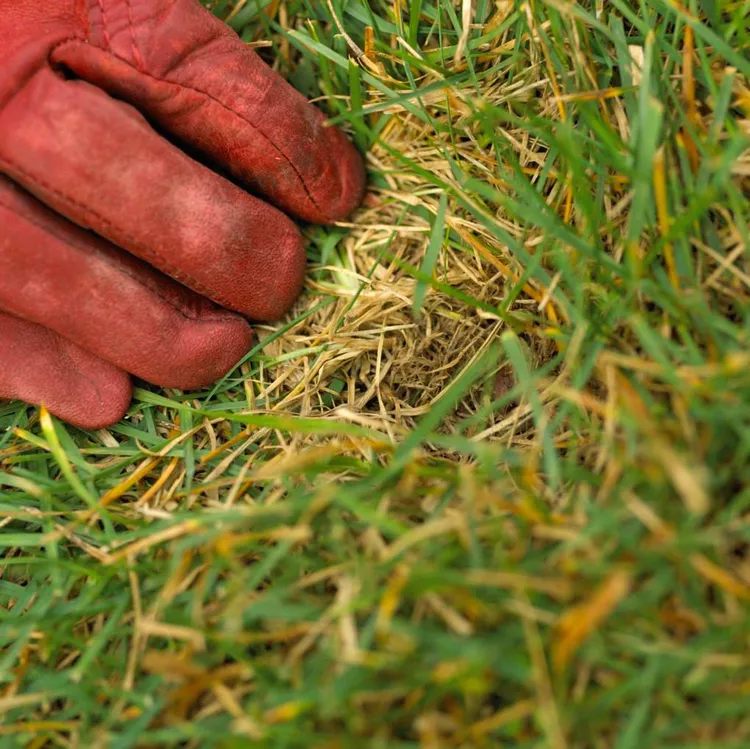
Water acts as a glue to adhere wet grass clippings together. Instead of dispersing evenly over the lawn after they are cut by the mower blades, wet clippings clump together and fall on the lawn in piles. The clumps of clippings can cause brown spots on the lawn and contribute to the thatch layer.

3. Soil compaction is a potential.

If the grass is wet due to soaking rain, the soil will be soft and susceptible to compaction by a riding lawn mower and repeated traffic of any sort. Compaction causes long-term turf problems. Compaction reduces air spaces in the soil profile, limiting life-giving oxygen available to roots and compressing channels for water and nutrients to reach the turf’s root zone.

4. Turf damage is more likely.

Wet conditions make maneuvering a mower more difficult. Quick turns can result in tires skidding and damaging the turf. Mowing when it is wet often results in an uneven surface. Wet conditions cause some grass blades to bend under the weight of water. When the mower passes over the lawn, the bent blades are not cut while others are trimmed.

5. Cutting wet grass creates an opening for disease.

Mowing grass when it is wet often results in tearing the leaf blade instead of making the clean cut that is typical when cutting dry grass. The torn blade has multiple entry points for fungal infections.

What to Do When It’s Wet and You Must Mow

It is always best to wait until the grass is dry before starting the lawn mower, but occasionally, the forecast doesn’t allow you to wait. If rain is relentless, and your grass is reaching maximum height for your mower, use these 7 tips to cut the lawn safely.

1. Sharpen the mower blades.

Sharpen the blades before you mow to make clean cuts. Clean cuts are key to an even lawn and also a line of defense against fungal diseases. Raggedly cut grass blades have many openings for fungi to enter the plant. Fungi are especially prevalent during the warm, moist conditions consistent with summer rainfall. Sharp mower blades can prevent turf diseases. 

2. Set the mower deck at 4 inches or higher.

Mowing high reduces the size of the clippings, which prevents the mower from clogging. Mowing high also limits scalping—cutting the lawn too short.  

3. Don’t bag clippings. Set the mower to side discharge.

Bagging wet clippings is hard on the mower and sometimes nearly impossible due to the amount of clippings and the moisture. Set the mower to side discharge and distribute the clippings over the lawn as much as possible.

4. Go slow.

Get the best cut on wet grass by mowing at about half the walking or driving speed you usually do when mowing a dry lawn. Slow mowing results in a more even surface when you are finished.

5. Dress for the job.

Wear sturdy shoes with good traction. Wet grass is slippery, and water-laden soil can create uneven terrain. Make sure you have good support by wearing well-fitting shoes that can grip in adverse conditions.

6. Mow and then mow again.

Break up clumps of clippings that result from mowing wet grass by mowing a second time on the same day. Mowing the lawn twice will finely cut the clippings and redistribute them.

7. Clean your mower well.

Wet grass will cling to your machine’s mower deck, blades, tires, and body. Wipe down the blades and body of the mower, and use a large putty knife to clean the underside of the deck. Be sure to remove grass from the tires, too. 

Related Article

How to Plant and Grow Bermudagrass for a Lush Lawn
34.9K
2.4K
806

How to Plant and Grow Bermudagrass for a Lush Lawn

A turfgrass for warm climates, Bermudagrass forms a dense lawn that stands up to traffic and heat. Here's how to care for a Bermudagrass lawn.
Can You Mow Wet Grass? The Answer, Plus 7 Mowing Tips
10.7K
214
38

Can You Mow Wet Grass? The Answer, Plus 7 Mowing Tips

Wet grass, whether it’s from morning dew or relentless rain, makes lawn care challenging. Keep your turf in check with our mowing tips.
The Best Time to Add Fertilizer to Your Lawn Before Winter
40.1K
3.6K
721

The Best Time to Add Fertilizer to Your Lawn Before Winter

Cultivate a happy, healthy lawn all year long with a nutrient boost before freezing weather occurs.
5 Simple Steps for Preparing Gardens for Winter Weather
20.1K
201
86

5 Simple Steps for Preparing Gardens for Winter Weather

Follow our five-step guide to preparing gardens for winter weather, including protecting perennials, trees, and shrubs from harsh conditions.
21 Plants for Sandy Soil That Thrive in Dry Conditions
23.4K
1.2K
408

21 Plants for Sandy Soil That Thrive in Dry Conditions

Discover 21 plants that flourish in sandy soil. From vibrant flowers to hardy shrubs, find the best options for your garden.
What Every Homeowner Needs to Know About Dethatching Lawns
31.5K
944
169

What Every Homeowner Needs to Know About Dethatching Lawns

Restore your grass so it is lush and green by learning the why, when, and how of dethatching a lawn. These lawn dethatching tips will make you an expert.
How to Plant and Grow Cardinal Climber
26K
780
343

How to Plant and Grow Cardinal Climber

Cardinal climber is a fast-growing annual vine with vibrant red flowers that bloom all summer. Learn how to grow it here.
How to Plant and Grow Serviceberry
32.7K
981
176

How to Plant and Grow Serviceberry

Discover essential tips for growing serviceberry, a flowering tree with edible berries that is one of spring's first sources of nectar.
11 of the Best Flowering Vines for Shade
24.9K
1.7K
696

11 of the Best Flowering Vines for Shade

Brighten up your shady garden with these vining plants that have beautiful flowers.
5 Best Raised Bed Garden Layouts—and How to Choose the Right One for Your Space
33.7K
1.7K
370

5 Best Raised Bed Garden Layouts—and How to Choose the Right One for Your Space

Designers share their favorite raised bed garden layouts for all kinds of spaces and gardeners.
5 Smart Solutions for Dealing with Poor Drainage in Your Yard
47.7K
2.4K
620

5 Smart Solutions for Dealing with Poor Drainage in Your Yard

Find out how to improve drainage in soil so that you can grow your garden plants. Or, if you can't, learn how to fix the soil that doesn't drain so that you can still enjoy colorful flowers.
How to Plant a Water Lily in a Container to Brighten Up Your Pond
18.6K
556
100

How to Plant a Water Lily in a Container to Brighten Up Your Pond

This aquatic plant looks beautiful in water gardens large and small. Plant waterlilies in a container by following these easy step-by-step instructions.
How to Plant and Grow Haworthia
38.8K
3.1K
901

How to Plant and Grow Haworthia

Discover how to care for members of the genus Haworthia as houseplants or outdoors. Learn about proper lighting, fertilizing, and heat as well as how to propagate these fascinating little succulents.
How to Grow and Care for Indoor Cyclamen
18.7K
749
104

How to Grow and Care for Indoor Cyclamen

Florist’s cyclamen have a reputation for being tricky to grow but this guide will help you keep these plants blooming in winter and then rebloom year after year indoors.
How to Get Orchids to Rebloom with These 5 Must-Know Tips
32.9K
1.6K
164

How to Get Orchids to Rebloom with These 5 Must-Know Tips

Find out what to do with moth orchids after they bloom and get them to rebloom year after year.
How to Propagate a Rubber Plant Successfully
28.1K
1.7K
725

How to Propagate a Rubber Plant Successfully

Learn how to propagate rubber plants through cuttings and air layering with this step-by-step guide.
How to Arrange Plants In Your Living Room to Add Natural Style
14.9K
148
28

How to Arrange Plants In Your Living Room to Add Natural Style

Here are tips for how to arrange plants in your living room and how to care for them to bring new life to your home's decor.
Top Plants for Florida Landscaping and Gardens
49.5K
494
207

Top Plants for Florida Landscaping and Gardens

The tropical environment means top plants for Florida will thrive and grow, adding lush, green bulbs, trees and perennials to landscapes and gardens.
Is Electroculture Gardening the Next Great Thing in Plant Care?
34.6K
3.1K
778

Is Electroculture Gardening the Next Great Thing in Plant Care?

Electroculture gardening harnesses atmospheric energy to naturally and organically promote plant growth. Learn what electroculture gardening is, plus how you could try it at home.
Can You Plant Garlic in the Spring? With These Must-Know Tips, You Can
37.1K
3.3K
600

Can You Plant Garlic in the Spring? With These Must-Know Tips, You Can

Even if you missed the fall planting window, here's how you can plant garlic in spring and still get tasty greens and bulbs to eat.