What Is Grass Paint? Plus 6 Tips for Painting Your Lawn

36.8K
367
110
2025-10-18
What Is Grass Paint? Plus 6 Tips for Painting Your Lawn

Until recently, grass paints—called turf colorants by those in the green industry—were used exclusively on golf courses and professional sports fields. These instant green-up products were not formulated and distributed in ways that were usable on the average backyard patch of lawn. But new technologies, combined with a desire for a green lawn without some of the environmental impact necessary to make it happen, brought grass paint to the shelves of home improvement stores. Is it a good choice for your lawn? Here’s everything you need to know about grass paint and how to use it.

What is grass paint?

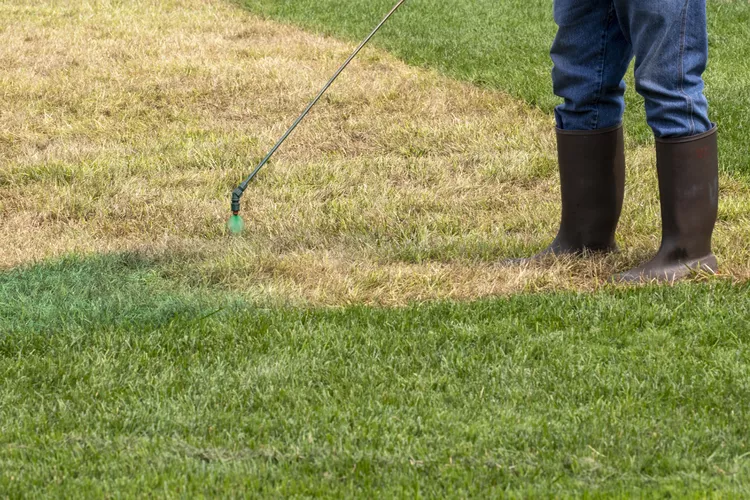
First, it’s critical to note what grass paint is NOT. It is not spray paint that you might use on a piece of furniture. Grass paint is a combination of water, pigments, and binders, along with proprietary additives, for use on turf grass. It will stain hard surfaces, such as concrete, fences, and landscape blocks, but it has limited adverse impact on the environment.

Count on it to color grass for two to eight weeks or so depending on the product and weather conditions. The shades of green created by grass paint vary widely. One product might produce a realistic green hue on your turf while another product might create an unnatural looking blue-green lawn. Test a small patch of turf before painting your entire lawn.

Why use grass paint?

Grass paint first became popular as an alternative to winter overseeding in the southern US. Bermuda grass, a warm season grass popular in the South, is often overseeded with ryegrass to create a lush green winter lawn. The water, fertilizer, and maintenance required to grow a ryegrass lawn in winter is significant. Turf grass specialists found that grass paint applied to early dormant Bermuda grass can achieve a similar green appearance without the high fertilizer and water inputs that ryegrass requires. Grass paint is also useful in drought situations.

Instead of watering extensively to maintain a green lawn, paint it. Grass paint doesn’t harm a lawn; the grass will resume growing when the drought conditions subside.

Types of Grass Paint

Increasingly available at garden centers and home improvement stores, grass paint is most commonly available as a concentrate. The product is mixed with water and then applied using a garden pump sprayer. Concentrated grass paint products are useful for painting an entire lawn. Some grass paint brands are available ready-to-use in spray bottles. These pre-mixed spray bottles are perfect painting patches of brown turf, such as those caused by pets, but not an entire lawn.

Tips for Painting Your Lawn

1. Invest in a quality pump sprayer.

Painting an entire lawn, as opposed to painting patches of grass here and there, calls for a 2-gallon pump sprayer. Thoroughly mix the grass paint concentrate with water according to package directions in the sprayer vessel and then attach the pump and pump vigorously. When applying grass paint, pump the sprayer frequently so it emits a steady stream of grass paint.

2. Apply grass paint before the grass is crispy and brown.

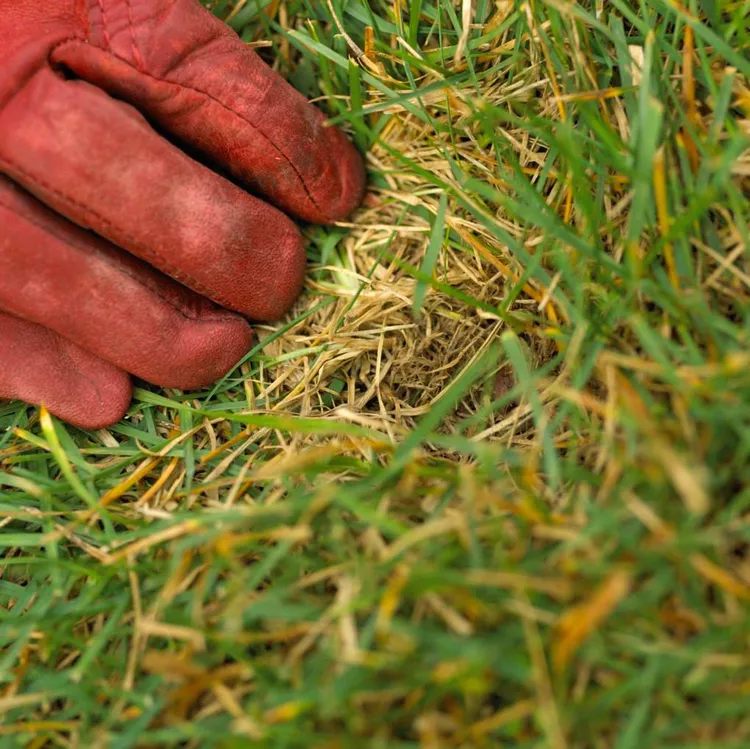
Turf scientists have found that the most natural green color is achieved when grass paint is applied to grass that is still partially green or semi-dormant. Dormancy is a natural rest period for turf grass brought on by winter growing conditions or drought. The best time to paint a lawn is when it is partially green, before it enters full dormancy.

3. Water deeply first.

Dry lawn grass blades will absorb the liquid in grass paint, skewing the color and minimizing the effect of the paint. Water grass thoroughly the day before painting. Be sure the grass blades are completely dry before painting a lawn. Mid-day, after morning dew dries and before evening dew sets in, is the best time to apply paint.

4. Apply on a warm day.

Grass paint adheres best to grass blades when the air temperature is above 45°F. Do not apply grass paint if frost is present or predicted within a few hours.

5. Spray carefully.

Grass paint will color everything it touches. Sidewalks, fences, and landscape stone will take on a green hue if hit by grass paint. Spray carefully and protect vulnerable areas by covering them with newspaper or landscape plastic.

6. Allow for dry time.

Grass paint will dry in 30 to 60 minutes in full sun. Paint takes significantly longer to dry when it is cloudy. After grass paint is dry, color transfer is reduced, but it will still stain clothing. Painted lawns are not ideal for a backyard football game and other activities that include grass contact.

Frequently Asked Questions

  • Is grass paint safe for pets?

    Yes, reputable grass paint products are safe for pets. Read the product label for specific pet information. Allow grass paint to dry completely—at least 30 minutes in bright sunlight—before allowing your pet onto it. If the paint is not dry, pigments will transfer to pet’s paws and fur.

  • Does grass paint harm the grass?

    No. Grass will continue to grow after it is painted. Mowing will remove the grass paint and the new leaf blades will have a natural color which might differ from the hue created by the grass paint.

  • How long will grass paint last?

    Grass paint lasts anywhere from 6 weeks to 3 months, depending on the brand of paint and weather conditions. And the paint generally will last longer if your grass is dormant rather than actively growing.

Related Article

How to Plant and Grow Bermudagrass for a Lush Lawn
34.9K
2.4K
806

How to Plant and Grow Bermudagrass for a Lush Lawn

A turfgrass for warm climates, Bermudagrass forms a dense lawn that stands up to traffic and heat. Here's how to care for a Bermudagrass lawn.
Can You Mow Wet Grass? The Answer, Plus 7 Mowing Tips
10.7K
214
38

Can You Mow Wet Grass? The Answer, Plus 7 Mowing Tips

Wet grass, whether it’s from morning dew or relentless rain, makes lawn care challenging. Keep your turf in check with our mowing tips.
The Best Time to Add Fertilizer to Your Lawn Before Winter
40.1K
3.6K
721

The Best Time to Add Fertilizer to Your Lawn Before Winter

Cultivate a happy, healthy lawn all year long with a nutrient boost before freezing weather occurs.
5 Simple Steps for Preparing Gardens for Winter Weather
20.1K
201
86

5 Simple Steps for Preparing Gardens for Winter Weather

Follow our five-step guide to preparing gardens for winter weather, including protecting perennials, trees, and shrubs from harsh conditions.
21 Plants for Sandy Soil That Thrive in Dry Conditions
23.4K
1.2K
408

21 Plants for Sandy Soil That Thrive in Dry Conditions

Discover 21 plants that flourish in sandy soil. From vibrant flowers to hardy shrubs, find the best options for your garden.
What Every Homeowner Needs to Know About Dethatching Lawns
31.5K
944
169

What Every Homeowner Needs to Know About Dethatching Lawns

Restore your grass so it is lush and green by learning the why, when, and how of dethatching a lawn. These lawn dethatching tips will make you an expert.
How to Plant and Grow Cardinal Climber
26K
780
343

How to Plant and Grow Cardinal Climber

Cardinal climber is a fast-growing annual vine with vibrant red flowers that bloom all summer. Learn how to grow it here.
How to Plant and Grow Serviceberry
32.7K
981
176

How to Plant and Grow Serviceberry

Discover essential tips for growing serviceberry, a flowering tree with edible berries that is one of spring's first sources of nectar.
11 of the Best Flowering Vines for Shade
24.9K
1.7K
696

11 of the Best Flowering Vines for Shade

Brighten up your shady garden with these vining plants that have beautiful flowers.
5 Best Raised Bed Garden Layouts—and How to Choose the Right One for Your Space
33.7K
1.7K
370

5 Best Raised Bed Garden Layouts—and How to Choose the Right One for Your Space

Designers share their favorite raised bed garden layouts for all kinds of spaces and gardeners.
5 Smart Solutions for Dealing with Poor Drainage in Your Yard
47.7K
2.4K
620

5 Smart Solutions for Dealing with Poor Drainage in Your Yard

Find out how to improve drainage in soil so that you can grow your garden plants. Or, if you can't, learn how to fix the soil that doesn't drain so that you can still enjoy colorful flowers.
How to Plant a Water Lily in a Container to Brighten Up Your Pond
18.6K
556
100

How to Plant a Water Lily in a Container to Brighten Up Your Pond

This aquatic plant looks beautiful in water gardens large and small. Plant waterlilies in a container by following these easy step-by-step instructions.
How to Plant and Grow Haworthia
38.8K
3.1K
901

How to Plant and Grow Haworthia

Discover how to care for members of the genus Haworthia as houseplants or outdoors. Learn about proper lighting, fertilizing, and heat as well as how to propagate these fascinating little succulents.
How to Grow and Care for Indoor Cyclamen
18.7K
749
104

How to Grow and Care for Indoor Cyclamen

Florist’s cyclamen have a reputation for being tricky to grow but this guide will help you keep these plants blooming in winter and then rebloom year after year indoors.
How to Get Orchids to Rebloom with These 5 Must-Know Tips
32.9K
1.6K
164

How to Get Orchids to Rebloom with These 5 Must-Know Tips

Find out what to do with moth orchids after they bloom and get them to rebloom year after year.
How to Propagate a Rubber Plant Successfully
28.1K
1.7K
725

How to Propagate a Rubber Plant Successfully

Learn how to propagate rubber plants through cuttings and air layering with this step-by-step guide.
How to Arrange Plants In Your Living Room to Add Natural Style
14.9K
148
28

How to Arrange Plants In Your Living Room to Add Natural Style

Here are tips for how to arrange plants in your living room and how to care for them to bring new life to your home's decor.
Top Plants for Florida Landscaping and Gardens
49.5K
494
207

Top Plants for Florida Landscaping and Gardens

The tropical environment means top plants for Florida will thrive and grow, adding lush, green bulbs, trees and perennials to landscapes and gardens.
Is Electroculture Gardening the Next Great Thing in Plant Care?
34.6K
3.1K
778

Is Electroculture Gardening the Next Great Thing in Plant Care?

Electroculture gardening harnesses atmospheric energy to naturally and organically promote plant growth. Learn what electroculture gardening is, plus how you could try it at home.
Can You Plant Garlic in the Spring? With These Must-Know Tips, You Can
37.1K
3.3K
600

Can You Plant Garlic in the Spring? With These Must-Know Tips, You Can

Even if you missed the fall planting window, here's how you can plant garlic in spring and still get tasty greens and bulbs to eat.