Winter gardening is an opportunity to keep your yard in order through the coldest months. Giving your trees and perennial beds a little attention in winter will help them be at their best when spring returns. Plus you can get a jump on weeds and pests, fortify your soil with compost, and start seeds indoors so you’re ready for transplanting when the weather warms up again. The cold season is also a good time to do some maintenance on your garden tools. Put the following winter gardening tasks on your to-do list so you'll be ready for your most successful growing season yet.
Early Winter Checklist
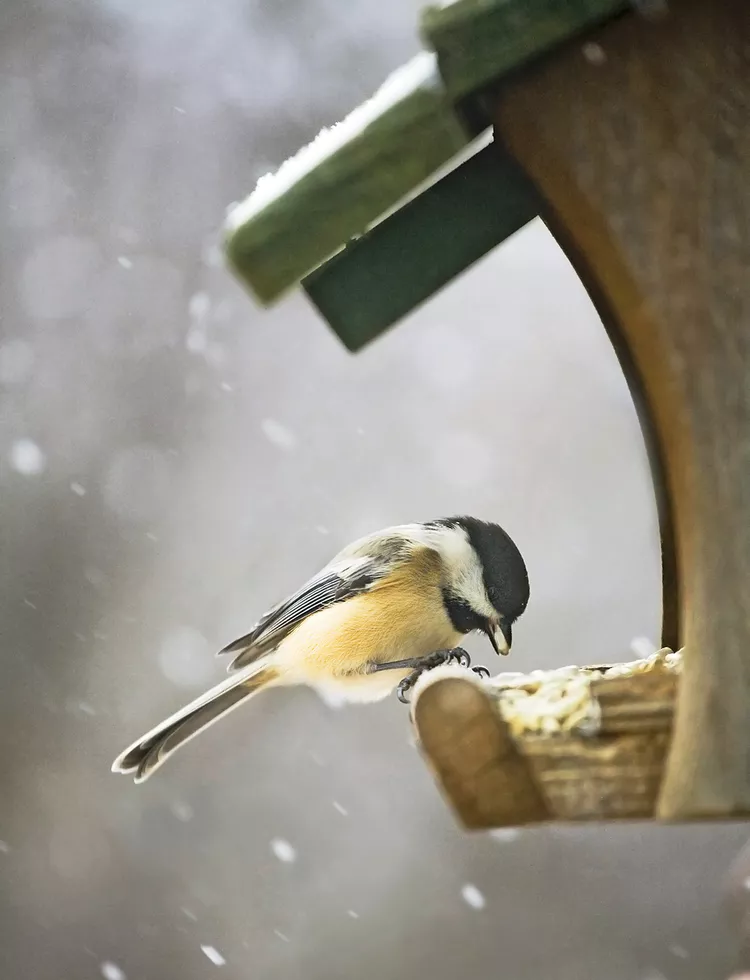
1. Clean bird feeders and keep them full of high-fat food. Birds need a lot of calories to stay warm in the winter, so put out foods like sunflower seeds, peanuts, and suet cakes, all of which have a high-fat content that birds can quickly digest and convert into energy. Every two weeks, clean the feeders with a solution that’s 9 parts water and 1 part bleach. Scrub away any debris, rinse and dry the feeder, and refill it.
2. Keep your bird bath clean and full of fresh water. Birds need drinking water during the winter, especially when there is no snow. Use a sturdy birdbath that can withstand a freeze without cracking. Put it in a sunny spot so it will be liquid some of the time, and fill it with fresh water every other day. Clean the basin once a month with a solution that’s 9 parts water to 1 part white vinegar.
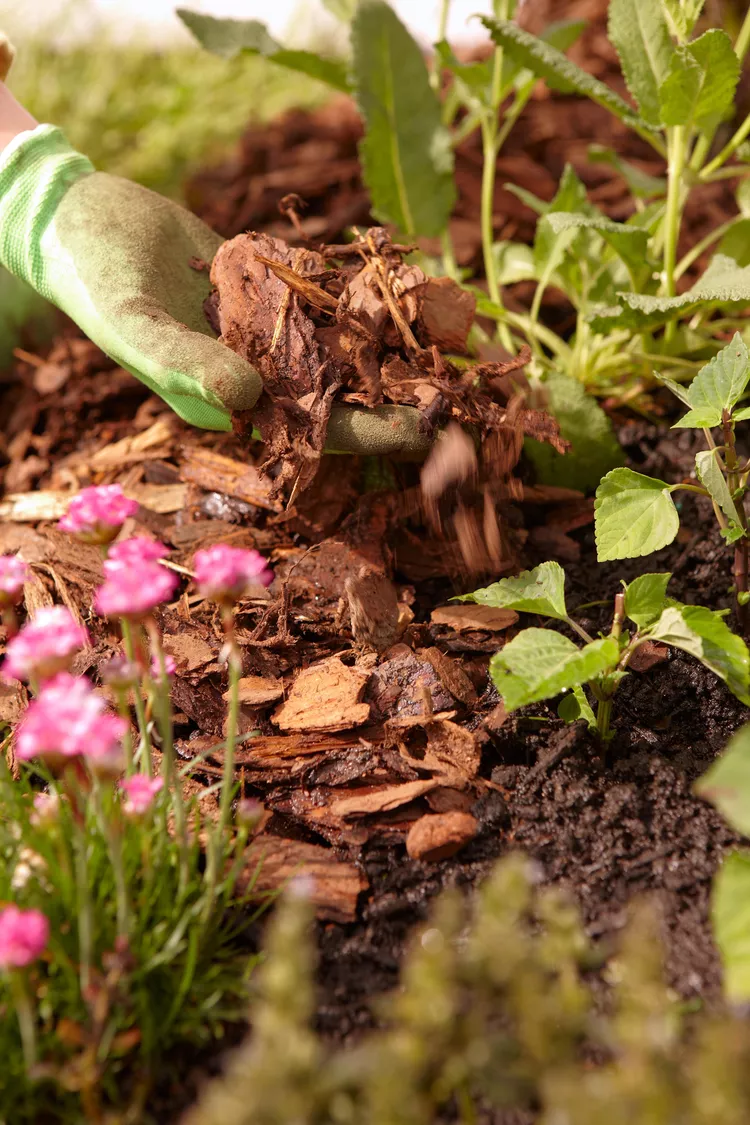
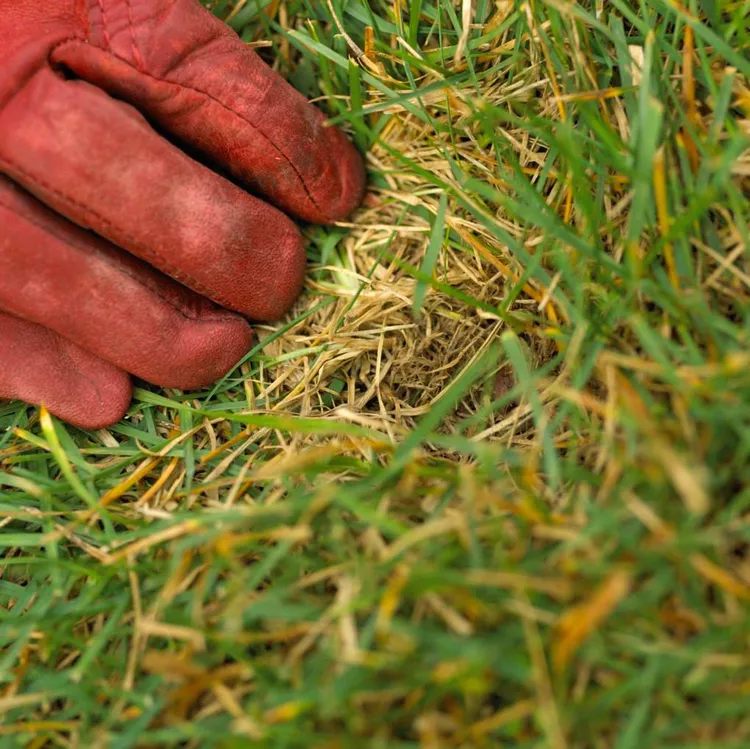
3. Watch out for weeds. Inspect your lawn, garden, and planting beds for weeds that pop up over the winter. Yes, some weeds keep growing despite the cold. Pull them out by hand or chop them out with a hoe while they’re still small, destroying all the roots and underground parts. Put down mulch where you pull out weeds to keep them from returning.
4. Mulch perennial beds. Put 2 to 3 inches of compost, shredded leaves, or bark mulch on the bed to protect your plants’ crowns and roots from temperature fluctuations.
Midwinter Checklist
1. Mind the compost bin. Unless you live someplace cold enough for your compost to freeze solid, you can keep the compost bin working all winter.
- Keep adding kitchen scraps and dried leaves to the bin. Don’t put as much material in as you did in warmer months because the decomposition process slows in cold temperatures. Your compost is still composting, just not as fast. No leaves left from fall? Use shredded paper, cardboard, or straw.
- Don’t turn the pile during the winter. The compost will lose heat and break down even more slowly. Wait until spring to turn.
- Collect finished compost. This is especially important if you have a small bin or tumbler because you need to make room for the new materials you add. Spread the compost in the garden beds.
2. Make a garden plan and order seeds. Curl up by the fire with a seed catalog or two. Decide what you’re going to plant and where you’re going to plant it. Calculate how many seeds you’ll need and order them, especially those you plan to start indoors. Supplies of your favorite zinnia, bean, and heirloom tomato seeds are plentiful in January, so order before the mad spring rush begins.
3. Recycle holiday evergreens. Cut branches from your live Christmas tree into 2- to 3-foot sections and use them as mulch for the garden and perennial beds. You can do the same with wreaths and swags. These lightweight, open branches let moisture reach the soil while insulating the roots and crowns of plants from extreme cold.
4. Prune trees. With the leaves off the trees, you can see dead, diseased, or damaged limbs more easily. Cut them off now while the trees are dormant, so you are not cutting away new growth.
Don’t prune spring-blooming trees such as dogwood, magnolia, or redbud in the winter, or you’ll get no flowers. Prune them after they bloom.
Late Winter Checklist
1. Start vegetable and flower seeds indoors. Check seed packets to see how long you’ll need to grow a transplant from seed and determine the last frost date in your area. Start seeds so you have transplants ready to put in the ground after the weather warms. Peppers, eggplants, broccoli, cabbage, and cauliflower need eight weeks to grow from seed to transplant size, while lettuce goes from seed to transplant in six weeks. Plant the seeds two months before the last frost date in your area so you are ready to set out plants when the weather warms.
2. Protect deciduous fruit trees from diseases and pests. Smother the eggs of aphids, mites, and scale insects by spraying dormant oil on branches and trunks of apple, pear, peach, and other fruit
3. Prune roses. Roses should be pruned by late winter to early spring, right around the last frost date. You want to encourage the rose to grow strong roots instead of spending energy on extra stems and leaves. Prune according to the plant’s needs.
- Light pruning: Remove less than one-third of the plant for a young rose that needs shaping up.
- Moderate pruning: For an older rose that needs a better branching structure, do a moderate pruning and cut the plant to 18 to 24 inches high, leaving five to 12 canes.
- Severe pruning: For a mature plant that needs a refresh, do a severe pruning and leave three to five canes cut 6 to 10 inches high.
4. Get your tools and equipment ready for spring. Sharpen lawn mower blades and pruning shears. Tune up chainsaws, blowers, lawn mowers, tillers, and other power equipment. Look for a hardware store or shop that does small engine and tool maintenance and repair, and take your tools in now. They’ll be crazy busy come spring.