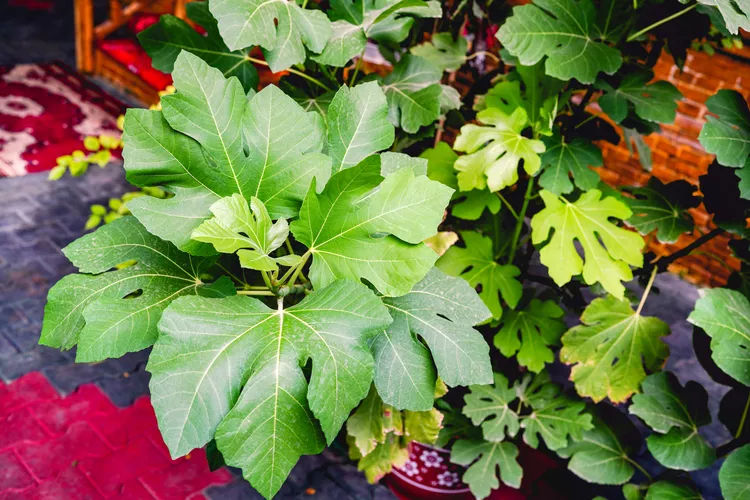
Figs are some of the easiest and most scrumptious fruit that you can grow at home. But if you live in a cool climate or have limited growing space, you may not think you can grow figs. The answer is to grow a fig tree in a pot. From how to plant these fruit trees in containers to overwintering potted fig trees indoors, here's what you need to know to grow edible figs in pots successfully.
Why Grow Figs in Pots
Fig trees are heat-loving plants and most are only hardy in Zones 8 to 10, although you can find a few varieties that can tolerate climates as cool as Zone 6. But you can still grow your own fig trees in colder regions if you plant them in containers. Then you can overwinter potted fig tees indoors or in a protected spot to help them survive the cold. Plus, potted figs tend to attract fewer pests and they can make very attractive additions to sunny patios and balcony spaces.
Choosing a Pot for Fig Trees
You can grow figs in a wide variety of pots; however, whatever container you choose should have plenty of drainage holes at the bottom to prevent waterlogged soil. Additionally, because potted fig trees can be quite heavy, you may want to invest in a pot with wheels or add a plant caddy beneath your pot so you can easily wheel your fig indoors in winter.
As far as container size, most fig trees will eventually need a pot that is at least 15 to 20 gallons in size but trees won’t need that big of a pot when they’re still small. Instead, select a pot that is about 6 to 8 inches wider than the nursery pot your fig was growing in and upgrade the pot size as your plant grows. Planting in too large of a pot right away can cause drainage issues and often results in overwatered plants.
The Best Figs to Grow in Pots
Some fig varieties can grow between 15 and 30 feet tall and are much too big for containers.
However, over the years many, dwarf fig trees have been developed and these pint-sized plants are just the right size for keeping in pots. Some of the best dwarf fig varieties to grow in containers include:
‘Little Miss Figgy’
‘Little Miss Figgy’ only grows about 4 to 6 feet tall but it can produce a large harvest of delicious,
medium-sized figs. Because it stays so small, this plant can easily be kept in pots and it rarely needs pruning.
‘Celeste’
Also known as the “sugar fig,” ‘Celeste' is prized for its super sweet fruit, but it's also more cold hardy than some other fig varieties. When mature, this plant can reach up to 10 feet tall, but it can be kept smaller with pruning.
‘Brown Turkey’
‘Brown Turkey’ can grow up to 20 feet tall, but it's still one of the most popular fig varieties to keep in pots. This fig tree produces a wealth of medium-sized figs with dark, purplish-red skin and its fruit is equally good for fresh eating and preserves.
How to Plant Fig Trees in Pots
The best time to plant fig trees is in spring after the danger of frost has passed, but you can plant figs in containers at other times of the year as long as you keep them well watered and protected from temperature extremes. Follow these simple planting steps to get started.
1. Add soil to your pot.
Place your pot where you want it to go. Then add a few inches of well-draining potting mix to the bottom of your container.
2. Plant your fig.
Place your fig tree in the pot so it is at the same planting depth that it was growing in its nursery pot. Then backfill the remainder of the pot with potting mix. Add only enough soil so that the fig’s root ball is level with the soil line, but leave about 2 inches of space between the soil and the rim of your pot to make watering a bit easier.
3. Add mulch.
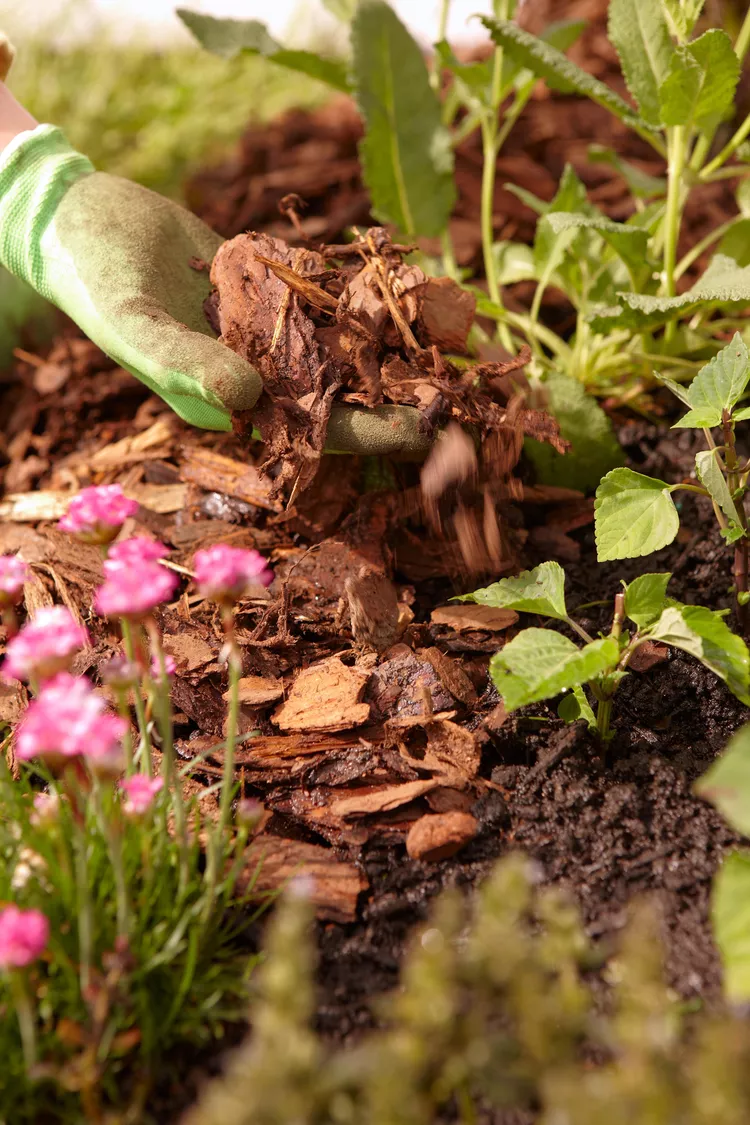
Once your fig is planted, add a thin layer of organic mulch, like straw or wood chips, around the base of the soil line. While mulch isn’t required, adding it will insulate the potting mix and reduce how often you’ll need to water.
4. Water your fig.
Finally, give your fig tree a deep drink of water and allow the extra water to run out the bottom of your pot to prevent overly saturated soil. Then begin to care for you new fig tree with the care tips below.
How to Care for Fig Trees in Pots
Despite their tropical nature, fig trees are not difficult to grow and you can even grow some types of figs indoors all year round if you want to. However, as figs rely on insects for pollination, plants should be placed outside in spring and summer while they're blooming if you want to produce fruit.
Light
Figs require full sun to fruit, so locate your plant in an area that receives at least 6 hours of bright light daily.
Water
Container grown plants dry out faster than plants in garden beds, so you should check your fig tree regularly to make sure it isn’t too dry. Water your tree when the top 1 to 2 inches of soil feels dry to the touch, making sure to keep adding water until it drains out the bottom of the pot.
Fertilizer
Container grown figs will do best when fertilized twice a year in spring and fall with a balanced
organic fertilizer. Kelp or fish meal are good options for these plants.
Repotting
As they grow, edible fig trees will need to be repotted to accommodate their size. Spring is the best time to repot your plants and you should only plant figs in a pot size that is 1 to 2 times bigger than the pot they were growing in to avoid drainage issues.
Pruning
Depending on the type of fig you’re growing, you may not need to prune your plant at all. However, if you have a larger variety, pruning your fig tree so it stays about 6 to 8 feet tall will make them a bit easier to keep. Pruning should be done during winter when figs are dormant.
Harvesting
Ripe figs should be slightly soft and sweet smelling and they should begin to droop on their stems. Figs with hard necks that remain perpendicular to their stems are not yet ripe and shouldn’t be picked because they won’t taste that great.
Winter Care for Potted Fig Trees
If you live in a cold climate region, you’ll need to bring your fig tree indoors in winter. When your fig begins to lose its leaves but before a hard frost hits, bring your tree into a sheltered area, like an unheated garage. Throughout the winter, only water your plant sparingly when the top 2 to 3 inches of soil feel dry.
Once spring arrives, slowly acclimate your fig tree to the outdoors over the course of several weeks by moving it outdoors during the day and back inside at night. Once the danger of frost has passed, you can leave your plant outdoors until fall returns.