Are Lavender Plants Toxic to Cats and Dogs?

21.7K
867
199
2025-11-09
Are Lavender Plants Toxic to Cats and Dogs?

Lavender is a popular perennial plant that can add fragrance and beauty to your yard or container gardens. However, before you add this herb to your yard or keep a potted lavender in your home, it’s important to know whether lavender plants are toxic to cats and dogs so you can keep your pets protected. This guide will help answer that question, while providing tips on keeping lavender away from animals to avoid harm.

Are Lavender Plants Toxic to Animals?

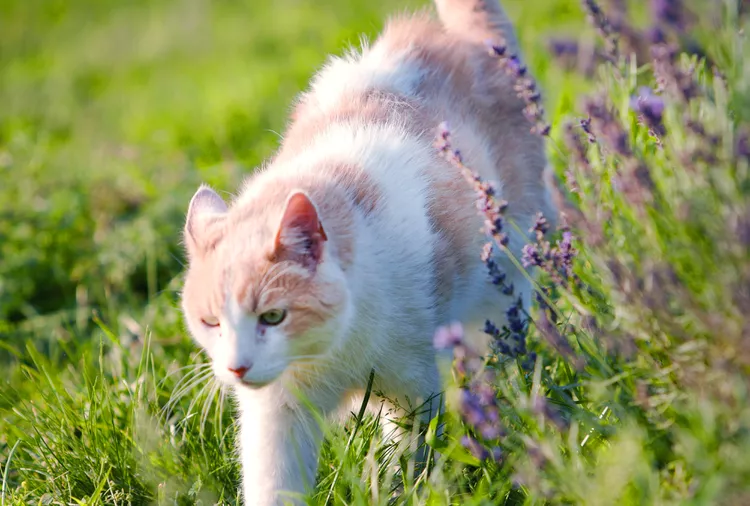
Lavender plants are toxic to dogs, cats, and horses. For this reason, it's best to keep these herbs far away from your companion animals. Lavender is unsafe for these animals to consume because it contains linalool, a compound that is toxic to many animals. Unlike humans, who are able to eat lavender safely, cats are unable to digest this compound, or linalyl acetate, which are both present in lavender plants. Dogs and horses also have adverse reactions.

Because lavender has such a tiny concentration of linalool, it may not cause much of a problem if an animal ingests a small amount of it. Most problems occur when a large amount is consumed all at one time. However, if they ingest any lavender, whether it is in the form of the flower buds or essential oils, then you should contact your vet or an emergency clinic. If your pet has thrown up, you might want to bring a sample for testing and analysis.

How to Keep Lavender Away from Pets

If you’re going to grow lavender, make sure that you keep it somewhere your pets are unable to access. If you’re growing lavender indoors in a pot, place the container somewhere pets can't reach. For example, this could be on a high shelf by a window (lavenders need lots of light) or in a hanging basket.

When growing lavender outdoors, fence off the area to block access. And always monitor your pets' time outdoors so they don’t end up getting into a spot that they do not belong. Of course, the best form of prevention is to avoid planting anything toxic to cats and dogs if you have these companion animals around.

Alternatives to Lavender Plants

Lavender plants bloom in June through July, creating gorgeous spikes of small blue and purple flowers. They prefer sunny, dry areas similar to their native Mediterranean climates, and are quite drought-tolerant. There are several alternatives to lavender plants that have a similar appearance and will grow in similar conditions, but are safer for cats and dogs. Two great options are:

  • Catmints (Nepeta spp.) are low-maintenance, bee-friendly, and deer-resistant perennials. The purplish blue flowers appear in late spring to early summer and the leaves are aromatic.
  • Russian sage (Perovskia atriplicifolia) is easy to grow and drought-tolerant. Its purplish wands of flowers appear in summer, attracting pollinators.

Frequently Asked Questions

  • Does lavender come back every year?

    Lavender is a perennial plant, so as long as you provide it with the right amounts of soil, water, and sun, it will come back every year. Given the proper care, you can expect these plants to bloom for three to five years.

  • How many types of lavender are there?

    There are 45 types of lavender and hundreds of varieties. The most popular are English lavender (Lavandula angustifolia), which is often used in soaps and perfumes because of its strong fragrance. French lavender (Lavandula dentata) is also popular due to its tolerance of humid conditions as well as its long-lasting aroma.

  • Where should you avoid planting lavender?

    Lavender needs plenty of sunshine, so it will not survive long in the shade. Growing it in the wrong conditions could cause low flower production, a loss of fragrance, slow growth, and pale, dying leaves.

Sources
Better Homes & Gardens is committed to using high-quality, reputable sources—including peer-reviewed studies—to support the facts in our articles. Read about our editorial policies and standards to learn more about how we fact check our content for accuracy.
  1. https://www.aspca.org/pet-care/animal-poison-control/toxic-and-non-toxic-plants/lavender

Related Article

How to Plant and Grow Bermudagrass for a Lush Lawn
34.9K
2.4K
806

How to Plant and Grow Bermudagrass for a Lush Lawn

A turfgrass for warm climates, Bermudagrass forms a dense lawn that stands up to traffic and heat. Here's how to care for a Bermudagrass lawn.
Can You Mow Wet Grass? The Answer, Plus 7 Mowing Tips
10.7K
214
38

Can You Mow Wet Grass? The Answer, Plus 7 Mowing Tips

Wet grass, whether it’s from morning dew or relentless rain, makes lawn care challenging. Keep your turf in check with our mowing tips.
The Best Time to Add Fertilizer to Your Lawn Before Winter
40.1K
3.6K
721

The Best Time to Add Fertilizer to Your Lawn Before Winter

Cultivate a happy, healthy lawn all year long with a nutrient boost before freezing weather occurs.
5 Simple Steps for Preparing Gardens for Winter Weather
20.1K
201
86

5 Simple Steps for Preparing Gardens for Winter Weather

Follow our five-step guide to preparing gardens for winter weather, including protecting perennials, trees, and shrubs from harsh conditions.
21 Plants for Sandy Soil That Thrive in Dry Conditions
23.4K
1.2K
408

21 Plants for Sandy Soil That Thrive in Dry Conditions

Discover 21 plants that flourish in sandy soil. From vibrant flowers to hardy shrubs, find the best options for your garden.
What Every Homeowner Needs to Know About Dethatching Lawns
31.5K
944
169

What Every Homeowner Needs to Know About Dethatching Lawns

Restore your grass so it is lush and green by learning the why, when, and how of dethatching a lawn. These lawn dethatching tips will make you an expert.
How to Plant and Grow Cardinal Climber
26K
780
343

How to Plant and Grow Cardinal Climber

Cardinal climber is a fast-growing annual vine with vibrant red flowers that bloom all summer. Learn how to grow it here.
How to Plant and Grow Serviceberry
32.7K
981
176

How to Plant and Grow Serviceberry

Discover essential tips for growing serviceberry, a flowering tree with edible berries that is one of spring's first sources of nectar.
11 of the Best Flowering Vines for Shade
24.9K
1.7K
696

11 of the Best Flowering Vines for Shade

Brighten up your shady garden with these vining plants that have beautiful flowers.
5 Best Raised Bed Garden Layouts—and How to Choose the Right One for Your Space
33.7K
1.7K
370

5 Best Raised Bed Garden Layouts—and How to Choose the Right One for Your Space

Designers share their favorite raised bed garden layouts for all kinds of spaces and gardeners.
5 Smart Solutions for Dealing with Poor Drainage in Your Yard
47.7K
2.4K
620

5 Smart Solutions for Dealing with Poor Drainage in Your Yard

Find out how to improve drainage in soil so that you can grow your garden plants. Or, if you can't, learn how to fix the soil that doesn't drain so that you can still enjoy colorful flowers.
How to Plant a Water Lily in a Container to Brighten Up Your Pond
18.6K
556
100

How to Plant a Water Lily in a Container to Brighten Up Your Pond

This aquatic plant looks beautiful in water gardens large and small. Plant waterlilies in a container by following these easy step-by-step instructions.
How to Plant and Grow Haworthia
38.8K
3.1K
901

How to Plant and Grow Haworthia

Discover how to care for members of the genus Haworthia as houseplants or outdoors. Learn about proper lighting, fertilizing, and heat as well as how to propagate these fascinating little succulents.
How to Grow and Care for Indoor Cyclamen
18.7K
749
104

How to Grow and Care for Indoor Cyclamen

Florist’s cyclamen have a reputation for being tricky to grow but this guide will help you keep these plants blooming in winter and then rebloom year after year indoors.
How to Get Orchids to Rebloom with These 5 Must-Know Tips
32.9K
1.6K
164

How to Get Orchids to Rebloom with These 5 Must-Know Tips

Find out what to do with moth orchids after they bloom and get them to rebloom year after year.
How to Propagate a Rubber Plant Successfully
28.1K
1.7K
725

How to Propagate a Rubber Plant Successfully

Learn how to propagate rubber plants through cuttings and air layering with this step-by-step guide.
How to Arrange Plants In Your Living Room to Add Natural Style
14.9K
148
28

How to Arrange Plants In Your Living Room to Add Natural Style

Here are tips for how to arrange plants in your living room and how to care for them to bring new life to your home's decor.
Top Plants for Florida Landscaping and Gardens
49.5K
494
207

Top Plants for Florida Landscaping and Gardens

The tropical environment means top plants for Florida will thrive and grow, adding lush, green bulbs, trees and perennials to landscapes and gardens.
Is Electroculture Gardening the Next Great Thing in Plant Care?
34.6K
3.1K
778

Is Electroculture Gardening the Next Great Thing in Plant Care?

Electroculture gardening harnesses atmospheric energy to naturally and organically promote plant growth. Learn what electroculture gardening is, plus how you could try it at home.
Can You Plant Garlic in the Spring? With These Must-Know Tips, You Can
37.1K
3.3K
600

Can You Plant Garlic in the Spring? With These Must-Know Tips, You Can

Even if you missed the fall planting window, here's how you can plant garlic in spring and still get tasty greens and bulbs to eat.