Are Morning Glories Perennial Plants That Can Survive Winter?

21.7K
216
58
2025-10-27
Are Morning Glories Perennial Plants That Can Survive Winter?

Chances are you either love them or hate them, but are morning glories perennial? Whether you're hoping the answer is no so that winter will kill off these plants in your garden, or you want these plants to come back in spring, here's what you can expect from morning glories.

What Are Morning Glories?

Most morning glories grown ornamentally in gardens are annuals, but some perennial varieties exist. Hundreds of plant species in the genus Ipomoea share the common name "morning glory," which can cause a little confusion over which plant is being discussed.

The typical morning glory, Ipomoea purpurea, is the annual vine that most people grow in their gardens for their pretty purple, blue, pink, white, or bicolor flowers. While some gardeners prize the plant’s willingness to quickly cover a trellis, fence, or climb up a pole, others find it an aggressive plant that takes over and is hard to remove.

Other Types of Morning Glories

Not all morning glories are vines. In the Great Plains, the bush morning glory (Ipomoea leptophylla) is a shrubby perennial. Its pink, trumpet-shaped flowers look similar to those of other types of morning glories but its rangy stems reach about 4 feet tall. It's drought-tolerant and long-lived, growing for as long as 50 years. Bush morning glories make an excellent plant for xeriscaping to bring some pollinator-enticing plants to a dry landscape. It's also quite cold hardy, surviving winters as chilly as -25°F.

Another vining plant in the morning glory family, moonflower vines (Ipomoea alba), are night-bloomers that attract nocturnal pollinators. The large white flowers begin opening at dusk, offering a subtle scent and ethereal white glow in moonlight. The vines can reach 15 feet long, making them a beautiful evening and nighttime addition to your pergola or deck railing. It is a tender perennial in USDA Zones 10 and warmer (basically frost-free areas) but can be grown as an annual in other regions.

Several species of morning glory are listed as invasive or noxious weeds in the South, particularly Ipomoea aquatica and Ipomoea hederacea. 

How to Plant Morning Glory Seeds

Morning glory seeds are covered with a hard outer coating. If you don’t help the process, the seeds may not sprout. The outer seed coat, in nature, serves as a protective layer to ensure the seeds make it through tough environmental conditions and don’t germinate too early. To help the seed to sprout, nick the seed coat with a knife or scrape an edge with a file or sandpaper. Then soak the seeds overnight in water. 

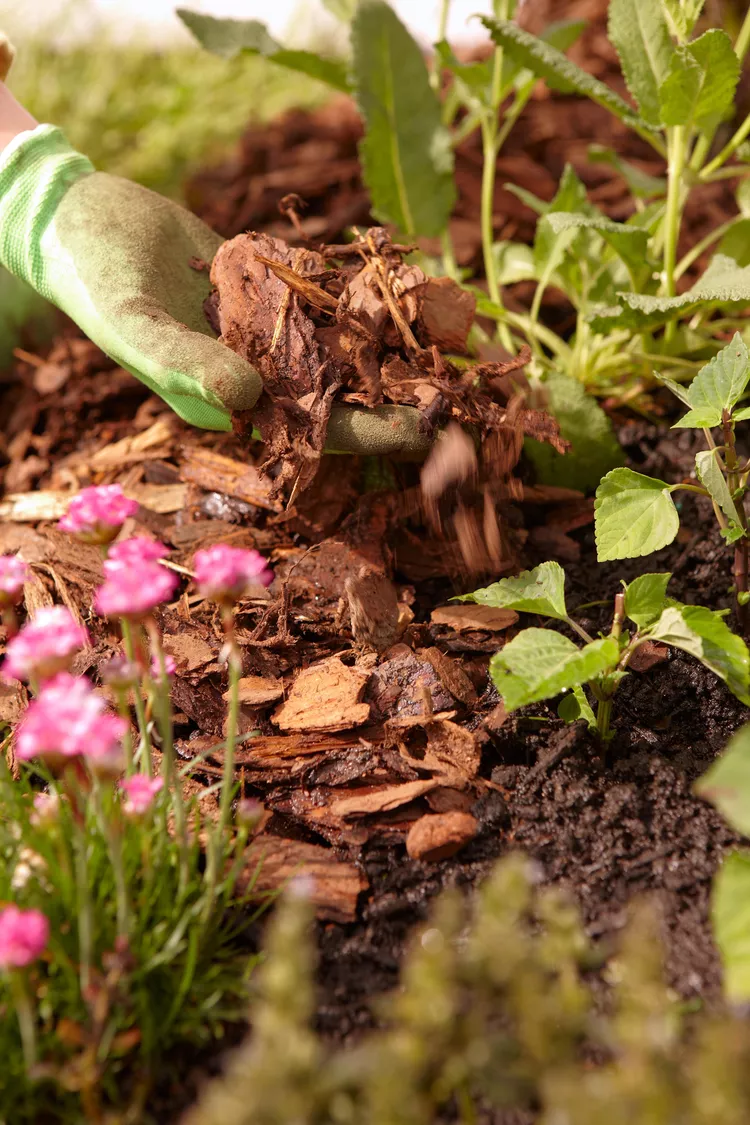
Plant morning glories outside after the last frost in your area. After nicking and soaking as above, sow them ¼ inch deep in beds amended with compost. Any sunny spot with good drainage will do, but they need something to climb. Water them in after planting, and lightly–very lightly–cover with mulch like straw or pine needles. Once they pop up and begin to grow, add additional mulch to keep the soil cool and moist. 

You will likely have to “introduce” your young morning glory vines to whatever support you want them to climb, directing the growing tips to the right places. But once they start twining up, they'll do the rest on their own, and won't need to be tied on to anything.

If you live in an area with a short growing season, morning glory seeds can be started indoors 4-6 weeks before your last frost to get a head start.

Frequently Asked Questions

  • Do morning glories come back every year?

    Perennial morning glories will come back in frost-free areas (USDA Zones 9 or 10 and warmer). For most gardeners in the US, that isn’t a problem. Annual morning glories can self-seed if conditions are right.

  • Are morning glories poisonous to dogs?

    Eating morning glories is toxic for dogs and cats and is likely to cause vomiting.

  • Do deer eat morning glories?

    The verdict is mixed on this. Many plant vendors claim morning glories are deer-resistant, but many gardeners say they are not. As is often the case, deer will taste test everything to check if they like it and their exploratory nibbling may cause some damage.

Sources
Better Homes & Gardens is committed to using high-quality, reputable sources—including peer-reviewed studies—to support the facts in our articles. Read about our editorial policies and standards to learn more about how we fact check our content for accuracy.
  1. https://www.aspca.org/pet-care/animal-poison-control/toxic-and-non-toxic-plants/morning-glory

Article "tagged" as:

Related Article

How to Plant and Grow Bermudagrass for a Lush Lawn
34.9K
2.4K
806

How to Plant and Grow Bermudagrass for a Lush Lawn

A turfgrass for warm climates, Bermudagrass forms a dense lawn that stands up to traffic and heat. Here's how to care for a Bermudagrass lawn.
Can You Mow Wet Grass? The Answer, Plus 7 Mowing Tips
10.7K
214
38

Can You Mow Wet Grass? The Answer, Plus 7 Mowing Tips

Wet grass, whether it’s from morning dew or relentless rain, makes lawn care challenging. Keep your turf in check with our mowing tips.
The Best Time to Add Fertilizer to Your Lawn Before Winter
40.1K
3.6K
721

The Best Time to Add Fertilizer to Your Lawn Before Winter

Cultivate a happy, healthy lawn all year long with a nutrient boost before freezing weather occurs.
5 Simple Steps for Preparing Gardens for Winter Weather
20.1K
201
86

5 Simple Steps for Preparing Gardens for Winter Weather

Follow our five-step guide to preparing gardens for winter weather, including protecting perennials, trees, and shrubs from harsh conditions.
21 Plants for Sandy Soil That Thrive in Dry Conditions
23.4K
1.2K
408

21 Plants for Sandy Soil That Thrive in Dry Conditions

Discover 21 plants that flourish in sandy soil. From vibrant flowers to hardy shrubs, find the best options for your garden.
What Every Homeowner Needs to Know About Dethatching Lawns
31.5K
944
169

What Every Homeowner Needs to Know About Dethatching Lawns

Restore your grass so it is lush and green by learning the why, when, and how of dethatching a lawn. These lawn dethatching tips will make you an expert.
How to Plant and Grow Cardinal Climber
26K
780
343

How to Plant and Grow Cardinal Climber

Cardinal climber is a fast-growing annual vine with vibrant red flowers that bloom all summer. Learn how to grow it here.
How to Plant and Grow Serviceberry
32.7K
981
176

How to Plant and Grow Serviceberry

Discover essential tips for growing serviceberry, a flowering tree with edible berries that is one of spring's first sources of nectar.
11 of the Best Flowering Vines for Shade
24.9K
1.7K
696

11 of the Best Flowering Vines for Shade

Brighten up your shady garden with these vining plants that have beautiful flowers.
5 Best Raised Bed Garden Layouts—and How to Choose the Right One for Your Space
33.7K
1.7K
370

5 Best Raised Bed Garden Layouts—and How to Choose the Right One for Your Space

Designers share their favorite raised bed garden layouts for all kinds of spaces and gardeners.
5 Smart Solutions for Dealing with Poor Drainage in Your Yard
47.7K
2.4K
620

5 Smart Solutions for Dealing with Poor Drainage in Your Yard

Find out how to improve drainage in soil so that you can grow your garden plants. Or, if you can't, learn how to fix the soil that doesn't drain so that you can still enjoy colorful flowers.
How to Plant a Water Lily in a Container to Brighten Up Your Pond
18.6K
556
100

How to Plant a Water Lily in a Container to Brighten Up Your Pond

This aquatic plant looks beautiful in water gardens large and small. Plant waterlilies in a container by following these easy step-by-step instructions.
How to Plant and Grow Haworthia
38.8K
3.1K
901

How to Plant and Grow Haworthia

Discover how to care for members of the genus Haworthia as houseplants or outdoors. Learn about proper lighting, fertilizing, and heat as well as how to propagate these fascinating little succulents.
How to Grow and Care for Indoor Cyclamen
18.7K
749
104

How to Grow and Care for Indoor Cyclamen

Florist’s cyclamen have a reputation for being tricky to grow but this guide will help you keep these plants blooming in winter and then rebloom year after year indoors.
How to Get Orchids to Rebloom with These 5 Must-Know Tips
32.9K
1.6K
164

How to Get Orchids to Rebloom with These 5 Must-Know Tips

Find out what to do with moth orchids after they bloom and get them to rebloom year after year.
How to Propagate a Rubber Plant Successfully
28.1K
1.7K
725

How to Propagate a Rubber Plant Successfully

Learn how to propagate rubber plants through cuttings and air layering with this step-by-step guide.
How to Arrange Plants In Your Living Room to Add Natural Style
14.9K
148
28

How to Arrange Plants In Your Living Room to Add Natural Style

Here are tips for how to arrange plants in your living room and how to care for them to bring new life to your home's decor.
Top Plants for Florida Landscaping and Gardens
49.5K
494
207

Top Plants for Florida Landscaping and Gardens

The tropical environment means top plants for Florida will thrive and grow, adding lush, green bulbs, trees and perennials to landscapes and gardens.
Is Electroculture Gardening the Next Great Thing in Plant Care?
34.6K
3.1K
778

Is Electroculture Gardening the Next Great Thing in Plant Care?

Electroculture gardening harnesses atmospheric energy to naturally and organically promote plant growth. Learn what electroculture gardening is, plus how you could try it at home.
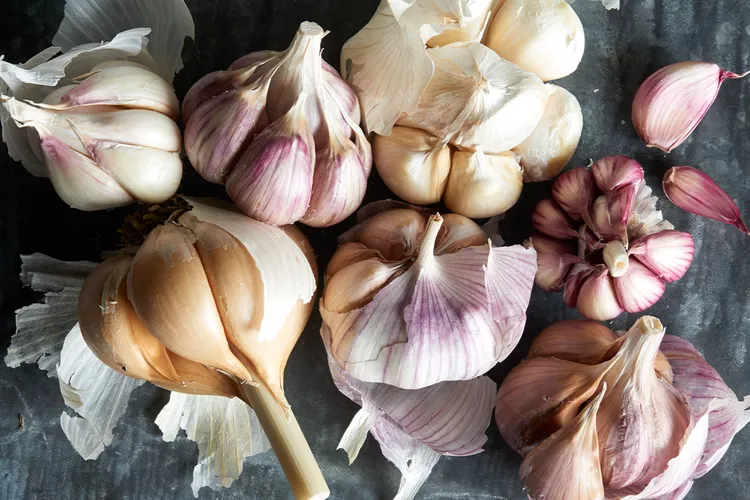
Can You Plant Garlic in the Spring? With These Must-Know Tips, You Can
37.1K
3.3K
600

Can You Plant Garlic in the Spring? With These Must-Know Tips, You Can

Even if you missed the fall planting window, here's how you can plant garlic in spring and still get tasty greens and bulbs to eat.