How to Get Orchids to Rebloom with These 5 Must-Know Tips

32.9K
1.6K
164
2025-11-06
How to Get Orchids to Rebloom with These 5 Must-Know Tips

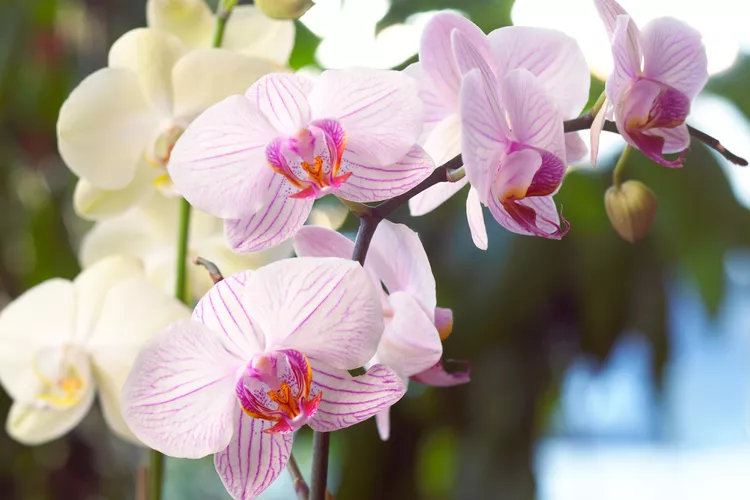
Moth orchids (Phalaenopsis spp.) are among the most popular orchid varieties, thanks to their easy care and long-lasting, colorful flowers. But if you have one of these orchids that has stopped flowering, there’s no need to toss it in the trash. Here's how to get your moth orchid to rebloom so you can enjoy more show-stopping flowers in almost any season.

How Often Do Orchids Bloom?

In the wild, moth orchids bloom just once a year in spring and summer. However, when these orchids are grown indoors, they can bloom multiple times a year–potentially every 3 to 6 months. But if you want orchids to reflower, it’s important that you maintain the health of your plants and allow orchids to briefly rest in a state of dormancy before they flower again.

When to Remove the Old Flower Spike

Moth orchids bloom on slender flower spikes and those flower spikes can sometimes bloom more than once. Encouraging plants to bloom on an existing flower spike will help you get new orchid flowers much faster; however, if the orchid’s flower spike is past its prime, it’s best to remove it from the plant to keep the old spike from sapping your orchid of energy.

Knowing whether or not to remove an orchid flower spike can be tricky, but there are few key signs to look for that will let you know if a flower spike will bloom again. If flower spikes sport small buds, which look a bit like a closed fist, leave the spike in place to rebloom. Flower spikes that are green without visible buds can also sometimes rebloom, but if the spike has started to wither or turn brown, clip it off at the base of the plant so your orchid can conserve its energy.

Plant parents can sometimes confuse orchid aerial roots for flower spikes, but orchid roots are lighter in color and they have rounded tips. There’s usually no need to remove an orchid’s aerial roots, but if there are a lot of exposed aerial roots on your plant, you may want to consider repotting your orchid.

Tips for Orchid Care After Blooming

Like most other plants, orchids require a period of dormancy or rest before they flower again. Many plant parents assume orchids are failing when they go dormant and they throw their plants away, but dormant orchids will flower again and again if you give them the time to do so. Left on their own,
most moth orchids will flower once a year, but you can shorten this dormancy period and “trick” orchids into flowering sooner by following the easy tips below.

1. Remove the dead flower spike.

After your orchid has finished flowering, inspect the spent flower spike carefully for any signs of buds. Green flower spikes without buds will sometimes flower again, but if the flower spike has begun to wither or turn brown, cut the flower spike off at the base of the plant using a pair of clean and sterilized scissors.

2. Repot the orchid.

Repotting moth orchids can improve the health of your plant and make flowering more likely, especially if you’ve never repotted your orchid before. Store-bought moth orchids are often potted in moss and placed in plastic containers, which retain too much moisture and can cause orchid roots to rot. But this can be avoided by repotting orchids into a pot with drainage holes and using a bark-based, orchid potting mix that allows water to drain freely.

3. Provide regular care.

To help your orchid store up energy to rebloom, place your plant in a spot that receives bright, but indirect light and keep your plant at a standard room temperature of between 65 and 85°F. Water your orchid regularly and you may want to boost humidity near your plants by adding a humidifier or a pebble tray. About once a month, provide an organic, liquid fertilizer diluted to ¼ strength to help encourage your orchid to rebloom.

4. Lower the temperature.

After a few months, your orchid should produce a new leaf or two, which is a sign that the plant is ready to flower again. When your orchid has at least one new, full-sized leaf, move your orchid to a cool location where nighttime temperatures drop to 55 to 65°F. Continue to provide your plant with adequate light and water in its new growing location.

Cooling orchids can be done in several ways, but the easiest option is to move your orchid near a cool window during fall or winter. If temperatures permit, you can also place your orchid outdoors where temperatures are cooler, but remember to keep your orchid from getting too chilly.

5. Look for a new orchid flower spike.

Exposing orchids to cool, nighttime temperatures usually jumpstarts reblooming and you will often see a new flower spike emerge within a month. Flower spikes are slender and they have knobby ends that looks like a closed fist or a mitten. If you don’t see a flower spike form within a month or two, move your orchid to a new location to see if your plant will grow better in that spot.

When you see the beginnings of a new flower spike appear, move your orchid back to its original growing location and care for your plant as usual. Flower spikes need extra support as they grow and they will need to be gently clipped to a stake when they reach approximately 5 inches long.

Frequently Asked Questions

  • Do moth orchids like to be misted?

    Orchids love extra humidity and they grow best when humidity levels are between 40 and 60%. Misting orchids can temporarily boost humidity levels, but it doesn’t do much to increase humidity around your plant in the long run. A better option is to place orchids near a humidifier or on a pebble tray, which sustain humidity levels longer.

  • What is the best fertilizer for potted orchids?

    Fertilizers especially developed for orchids can help maintain the health and growth of orchid plants. However, organic, liquid fertilizers made with kelp or fish emulsion also work well for orchids, but they may need to be diluted to ½ to ¼ strength before use.

  • How long will an orchid continue to rebloom?

    When properly maintained, moth orchids can live for 15 to 20 years and they will often bloom once or twice a year with minimal effort.

Related Article

How to Plant and Grow Bermudagrass for a Lush Lawn
34.9K
2.4K
806

How to Plant and Grow Bermudagrass for a Lush Lawn

A turfgrass for warm climates, Bermudagrass forms a dense lawn that stands up to traffic and heat. Here's how to care for a Bermudagrass lawn.
Can You Mow Wet Grass? The Answer, Plus 7 Mowing Tips
10.7K
214
38

Can You Mow Wet Grass? The Answer, Plus 7 Mowing Tips

Wet grass, whether it’s from morning dew or relentless rain, makes lawn care challenging. Keep your turf in check with our mowing tips.
The Best Time to Add Fertilizer to Your Lawn Before Winter
40.1K
3.6K
721

The Best Time to Add Fertilizer to Your Lawn Before Winter

Cultivate a happy, healthy lawn all year long with a nutrient boost before freezing weather occurs.
5 Simple Steps for Preparing Gardens for Winter Weather
20.1K
201
86

5 Simple Steps for Preparing Gardens for Winter Weather

Follow our five-step guide to preparing gardens for winter weather, including protecting perennials, trees, and shrubs from harsh conditions.
21 Plants for Sandy Soil That Thrive in Dry Conditions
23.4K
1.2K
408

21 Plants for Sandy Soil That Thrive in Dry Conditions

Discover 21 plants that flourish in sandy soil. From vibrant flowers to hardy shrubs, find the best options for your garden.
What Every Homeowner Needs to Know About Dethatching Lawns
31.5K
944
169

What Every Homeowner Needs to Know About Dethatching Lawns

Restore your grass so it is lush and green by learning the why, when, and how of dethatching a lawn. These lawn dethatching tips will make you an expert.
How to Plant and Grow Cardinal Climber
26K
780
343

How to Plant and Grow Cardinal Climber

Cardinal climber is a fast-growing annual vine with vibrant red flowers that bloom all summer. Learn how to grow it here.
How to Plant and Grow Serviceberry
32.7K
981
176

How to Plant and Grow Serviceberry

Discover essential tips for growing serviceberry, a flowering tree with edible berries that is one of spring's first sources of nectar.
11 of the Best Flowering Vines for Shade
24.9K
1.7K
696

11 of the Best Flowering Vines for Shade

Brighten up your shady garden with these vining plants that have beautiful flowers.
5 Best Raised Bed Garden Layouts—and How to Choose the Right One for Your Space
33.7K
1.7K
370

5 Best Raised Bed Garden Layouts—and How to Choose the Right One for Your Space

Designers share their favorite raised bed garden layouts for all kinds of spaces and gardeners.
5 Smart Solutions for Dealing with Poor Drainage in Your Yard
47.7K
2.4K
620

5 Smart Solutions for Dealing with Poor Drainage in Your Yard

Find out how to improve drainage in soil so that you can grow your garden plants. Or, if you can't, learn how to fix the soil that doesn't drain so that you can still enjoy colorful flowers.
How to Plant a Water Lily in a Container to Brighten Up Your Pond
18.6K
556
100

How to Plant a Water Lily in a Container to Brighten Up Your Pond

This aquatic plant looks beautiful in water gardens large and small. Plant waterlilies in a container by following these easy step-by-step instructions.
How to Plant and Grow Haworthia
38.8K
3.1K
901

How to Plant and Grow Haworthia

Discover how to care for members of the genus Haworthia as houseplants or outdoors. Learn about proper lighting, fertilizing, and heat as well as how to propagate these fascinating little succulents.
How to Grow and Care for Indoor Cyclamen
18.7K
749
104

How to Grow and Care for Indoor Cyclamen

Florist’s cyclamen have a reputation for being tricky to grow but this guide will help you keep these plants blooming in winter and then rebloom year after year indoors.
How to Get Orchids to Rebloom with These 5 Must-Know Tips
32.9K
1.6K
164

How to Get Orchids to Rebloom with These 5 Must-Know Tips

Find out what to do with moth orchids after they bloom and get them to rebloom year after year.
How to Propagate a Rubber Plant Successfully
28.1K
1.7K
725

How to Propagate a Rubber Plant Successfully

Learn how to propagate rubber plants through cuttings and air layering with this step-by-step guide.
How to Arrange Plants In Your Living Room to Add Natural Style
14.9K
148
28

How to Arrange Plants In Your Living Room to Add Natural Style

Here are tips for how to arrange plants in your living room and how to care for them to bring new life to your home's decor.
Top Plants for Florida Landscaping and Gardens
49.5K
494
207

Top Plants for Florida Landscaping and Gardens

The tropical environment means top plants for Florida will thrive and grow, adding lush, green bulbs, trees and perennials to landscapes and gardens.
Is Electroculture Gardening the Next Great Thing in Plant Care?
34.6K
3.1K
778

Is Electroculture Gardening the Next Great Thing in Plant Care?

Electroculture gardening harnesses atmospheric energy to naturally and organically promote plant growth. Learn what electroculture gardening is, plus how you could try it at home.
Can You Plant Garlic in the Spring? With These Must-Know Tips, You Can
37.1K
3.3K
600

Can You Plant Garlic in the Spring? With These Must-Know Tips, You Can

Even if you missed the fall planting window, here's how you can plant garlic in spring and still get tasty greens and bulbs to eat.