How to Grow and Care for Indoor Cyclamen

18.7K
749
104
2025-11-12
How to Grow and Care for Indoor Cyclamen

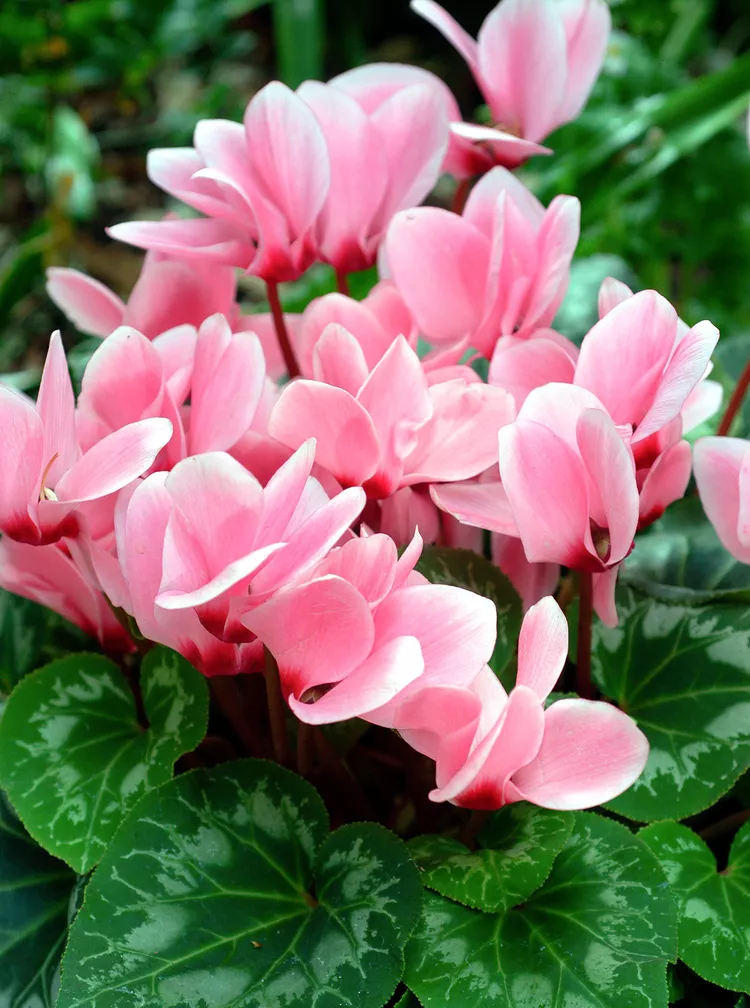
When you need a quick addition of colorful flowers to brighten up your home during the winter, grab a few indoor cyclamen (Cyclamen persicum) at the grocery store or garden center. These potted plants are popular holiday gifts, both for Christmas and Valentine's Day, thanks to their red or pink flowers and pretty green, heart-shaped leaves that often have silver patterns. This guide will help you care for your indoor cyclamen so it will bloom for weeks in winter, plus you'll get tips for helping your plant bloom again the next year. 

Indoor Cyclamen Overview

Genus Name Cyclamen persicum
Common Name Indoor Cyclamen
Additional Common Names Persian Cyclamen, Florist's Cyclamen
Plant Type Houseplant, Perennial
Light Shade
Height 6 to 8 inches
Width 6 to 8 inches
Flower Color Pink, Purple, Red, White
Foliage Color Blue/Green
Season Features Winter Bloom
Zones 10, 11, 9
Propagation Seed

All parts of cyclamen are toxic to dogs and cats so keep these plants away from pets.

Indoor Cyclamen Growing Tips

Indoor cyclamen are tender perennials that go dormant in the spring and summer, which is why many people think they’ve killed their plant when in fact it's just resting. Cyclamen follow the weather patterns of their ancestors, the wild cyclamen of the southern and eastern Mediterranean, where it rains in the winter but not the summer. With a little extra attention, you can keep your indoor cyclamen going through its summer dormancy and bring it back into bloom in the fall.

Note: Florist's cyclamen are intended for indoor growing and are not the same as hardy cyclamen that thrive outdoors. So don’t pop your indoor cyclamen outside for fresh air if there’s a break in the winter weather.

Indoor Cyclamen Care Tips

Cyclamen have similar care requirements to most other houseplants, requiring bright but indirect light and consistently moist but not soggy soil. However, they're more particular about temperatures and watering at specific times of the year.

Light

Light from a north-facing window is likely not enough to keep an indoor cyclamen blooming unless you provide grow lights. Instead, choose a room flooded with sunlight from the south or west and place the cyclamen where the sun's rays don't hit it directly. If that’s not possible, try a windowsill in a room with an eastern exposure. The morning sun will be helpful but won’t last long enough to bake the plant. 

Soil and Water

As soon as the top of the soil feels dry, add enough water to moisten the soil. Avoid splashing the leaves and make sure the excess water drains away from the plant. Moist but not soggy soil is the goal. Soggy soil can encourage fusarium wilt disease that can kill your plant, so no sitting in a puddle allowed.

Monitor the soil moisture closely by touching the top of the soil. Cyclamen can dry out quickly (especially the miniature cyclamen in their small pots) and may not recover once the soil is parched. When your plant needs more moisture, try one of these recommended ways to water a cyclamen:

  • Take the plant to the sink, run a trickle of room temperature water, soak the soil without splashing the leaves or the crown at the center of the plant, then let the water drain out completely. 
  • In lieu of the sink faucet, use a watering can with a narrow spout, and follow the steps above.
  • Put 1 inch of room temperature water in a bowl, set the cyclamen's pot in it for 20 minutes, then remove the plant and let excess water drain away.


Florist’s cyclamen will stop blooming in April and the yellowing leaves are the signal that the plant is going dormant. Once the cyclamen has gone completely dormant, only water lightly every two weeks. When you see green leaf tips showing in the fall, start watering normally and fertilizing again to fuel the new growth.

Temperature and Humidity

Indoor cyclamen thrive with daytime temperatures from 60-65°F (maxing out at 68°F) and nighttime temperatures in the 50s (no lower than 40°F). If you keep your house at 70°F or warmer, the higher temperatures will feel like summer to the cyclamen, cueing it to stop blooming and go into dormancy. 

Indoor cyclamen prefer humid air. Keep your plant satisfied by placing it on a tray of pebbles, with water that never touches the base of the pot. As the water evaporates, it will raise the humidity around your plant. Or put your potted cyclamen in an open or closed terrarium to ramp up the humidity. Miniature cyclamen can look especially jewel-like in a tiny terrarium.

Fertilizer

Use a low-nitrogen, liquid houseplant fertilizer diluted to half strength during your cyclamen's growing and blooming time, from September through April. Skip the fertilizer while your plant is dormant in the summer.

Pruning

A healthy indoor cyclamen will produce many flowers and leaves throughout the blooming season. Remove the dead flowers and leaves to encourage more flowering and keep the whole plant looking tidy. Tug or snip off each dead flower stalk or leaf at its base.

Potting and Repotting Indoor Cyclamen

After keeping your cyclamen blooming year after year, eventually you will need to repot your plant into a slightly larger container. When your plant outgrows its pot, wait until fall when new growth appears and then move it to a larger container. Provide fresh houseplant potting mix to ensure good drainage. Keep the top of the cyclamen tuber showing above the soil, like you had in the original pot. Use a clay pot to reduce chances of soggy soil.

Frequently Asked Questions

  • Why is my indoor cyclamen dying?

    Cyclamen bloom in the winter and go dormant in the summer, so it looks like they’re dying in the spring even though this is normal. However, you can avoid truly fatal problems by giving the plants a cool room temperature, bright but not direct light, moist but not soggy soil, good drainage, and extra humidity from a pebble tray.

  • How can I help my cyclamen bloom year after year?

    To encourage a cyclamen to bloom again the next year, once the leaves turn yellow, cut them off. Reduce watering and stop fertilizing the plant. Move it to a shady indoor spot and begin to water and fertilize again in late summer. As leaves grow, bring it back to a bright, cool room for the fall and winter.

  • Can I save my potted cyclamen that dried out?

    To revive a dried-out cyclamen, soak the container in 1 inch of water for 20 minutes, then let the container drain well. Monitor the soil moisture carefully for the following two weeks, adding water as soon as the top of the soil feels dry.

Related Article

How to Plant and Grow Bermudagrass for a Lush Lawn
34.9K
2.4K
806

How to Plant and Grow Bermudagrass for a Lush Lawn

A turfgrass for warm climates, Bermudagrass forms a dense lawn that stands up to traffic and heat. Here's how to care for a Bermudagrass lawn.
Can You Mow Wet Grass? The Answer, Plus 7 Mowing Tips
10.7K
214
38

Can You Mow Wet Grass? The Answer, Plus 7 Mowing Tips

Wet grass, whether it’s from morning dew or relentless rain, makes lawn care challenging. Keep your turf in check with our mowing tips.
The Best Time to Add Fertilizer to Your Lawn Before Winter
40.1K
3.6K
721

The Best Time to Add Fertilizer to Your Lawn Before Winter

Cultivate a happy, healthy lawn all year long with a nutrient boost before freezing weather occurs.
5 Simple Steps for Preparing Gardens for Winter Weather
20.1K
201
86

5 Simple Steps for Preparing Gardens for Winter Weather

Follow our five-step guide to preparing gardens for winter weather, including protecting perennials, trees, and shrubs from harsh conditions.
21 Plants for Sandy Soil That Thrive in Dry Conditions
23.4K
1.2K
408

21 Plants for Sandy Soil That Thrive in Dry Conditions

Discover 21 plants that flourish in sandy soil. From vibrant flowers to hardy shrubs, find the best options for your garden.
What Every Homeowner Needs to Know About Dethatching Lawns
31.5K
944
169

What Every Homeowner Needs to Know About Dethatching Lawns

Restore your grass so it is lush and green by learning the why, when, and how of dethatching a lawn. These lawn dethatching tips will make you an expert.
How to Plant and Grow Cardinal Climber
26K
780
343

How to Plant and Grow Cardinal Climber

Cardinal climber is a fast-growing annual vine with vibrant red flowers that bloom all summer. Learn how to grow it here.
How to Plant and Grow Serviceberry
32.7K
981
176

How to Plant and Grow Serviceberry

Discover essential tips for growing serviceberry, a flowering tree with edible berries that is one of spring's first sources of nectar.
11 of the Best Flowering Vines for Shade
24.9K
1.7K
696

11 of the Best Flowering Vines for Shade

Brighten up your shady garden with these vining plants that have beautiful flowers.
5 Best Raised Bed Garden Layouts—and How to Choose the Right One for Your Space
33.7K
1.7K
370

5 Best Raised Bed Garden Layouts—and How to Choose the Right One for Your Space

Designers share their favorite raised bed garden layouts for all kinds of spaces and gardeners.
5 Smart Solutions for Dealing with Poor Drainage in Your Yard
47.7K
2.4K
620

5 Smart Solutions for Dealing with Poor Drainage in Your Yard

Find out how to improve drainage in soil so that you can grow your garden plants. Or, if you can't, learn how to fix the soil that doesn't drain so that you can still enjoy colorful flowers.
How to Plant a Water Lily in a Container to Brighten Up Your Pond
18.6K
556
100

How to Plant a Water Lily in a Container to Brighten Up Your Pond

This aquatic plant looks beautiful in water gardens large and small. Plant waterlilies in a container by following these easy step-by-step instructions.
How to Plant and Grow Haworthia
38.8K
3.1K
901

How to Plant and Grow Haworthia

Discover how to care for members of the genus Haworthia as houseplants or outdoors. Learn about proper lighting, fertilizing, and heat as well as how to propagate these fascinating little succulents.
How to Grow and Care for Indoor Cyclamen
18.7K
749
104

How to Grow and Care for Indoor Cyclamen

Florist’s cyclamen have a reputation for being tricky to grow but this guide will help you keep these plants blooming in winter and then rebloom year after year indoors.
How to Get Orchids to Rebloom with These 5 Must-Know Tips
32.9K
1.6K
164

How to Get Orchids to Rebloom with These 5 Must-Know Tips

Find out what to do with moth orchids after they bloom and get them to rebloom year after year.
How to Propagate a Rubber Plant Successfully
28.1K
1.7K
725

How to Propagate a Rubber Plant Successfully

Learn how to propagate rubber plants through cuttings and air layering with this step-by-step guide.
How to Arrange Plants In Your Living Room to Add Natural Style
14.9K
148
28

How to Arrange Plants In Your Living Room to Add Natural Style

Here are tips for how to arrange plants in your living room and how to care for them to bring new life to your home's decor.
Top Plants for Florida Landscaping and Gardens
49.5K
494
207

Top Plants for Florida Landscaping and Gardens

The tropical environment means top plants for Florida will thrive and grow, adding lush, green bulbs, trees and perennials to landscapes and gardens.
Is Electroculture Gardening the Next Great Thing in Plant Care?
34.6K
3.1K
778

Is Electroculture Gardening the Next Great Thing in Plant Care?

Electroculture gardening harnesses atmospheric energy to naturally and organically promote plant growth. Learn what electroculture gardening is, plus how you could try it at home.
Can You Plant Garlic in the Spring? With These Must-Know Tips, You Can
37.1K
3.3K
600

Can You Plant Garlic in the Spring? With These Must-Know Tips, You Can

Even if you missed the fall planting window, here's how you can plant garlic in spring and still get tasty greens and bulbs to eat.