Poinsettia Poison Danger—Fact or Myth? We Asked the Experts

39.6K
3.2K
316
2025-11-09
Poinsettia Poison Danger—Fact or Myth? We Asked the Experts

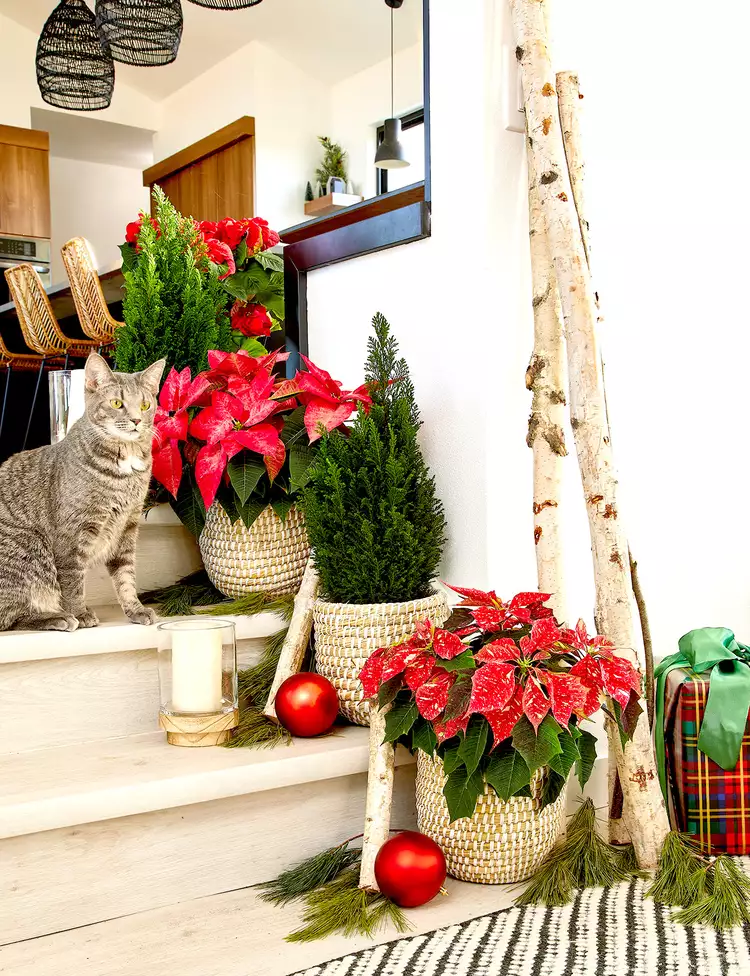
Poinsettias are the Christmastime superstars of the plant world. But there's a long-held notion that poinsettia poison danger should concern parents and pet owners. You've probably heard that the festive plant is harmful should children or animals nibble on the leaves. It's easy to believe this idea, considering that the color red in nature often signals danger. However, plenty of research by experts in many fields proves that poinsettias aren't poisonous, so let's bust this myth and set the record straight.

Poinsettia Poison—Is It Real?

There are heaps of delicious things to eat around the holidays, but poinsettia leaves aren't among them. The plant tastes terrible. If a child or pet happens to take a bite out of a leaf, it's likely they'll spit it out and not be tempted to nibble any more. But even if they do swallow the leaves, it's usually nothing to worry about.

"Poinsettias contain a milky irritant sap," says Dr. Lisa Murphy, associate professor of toxicology at the University of Pennsylvania School of Veterinary Medicine. "The sap can cause some mild discomfort." That discomfort can include irritated skin and upset stomach, but there is no evidence of long-term effects from eating poinsettias.

Poinsettia Poison History

So where did this poinsettia poison tall tale come from? Researchers at The Ohio State University surmise that it started with an unsubstantiated report in 1919 of a small child dying after chewing on a poinsettia leaf. In 1971, experts at Ohio State tested the toxicity of poinsettias by feeding parts of the plants to rats. The researchers reported their findings in the journal Toxicon, stating that the rats "when given extraordinarily high doses of various portions of poinsettias show no mortality, no symptoms of toxicity, nor any changes in dietary intake or general behavior pattern." Bottom line: poinsettias are not poisonous!

What to Do if Your Dog or Cat Eats Poinsettia

While a few houseplants can be dangerous to pets, poinsettias won't cause lasting harm. Dr. Murphy says an upset stomach is the general symptom of pets snacking on poinsettia leaves and stems. "Your pet might be quieter than usual or lack appetite. Vomiting is also possible." Your pet's upset stomach is usually temporary. "The good news is, the symptoms generally go away on their own without any special care."

"Sometimes pets need a little help to recover," Dr. Murphy says. "Withhold food and water for 1 to 2 hours to give the stomach an opportunity to settle." After a couple of hours, offer food and water. "Remember, you know your pet best. Pets, like people, have individual sensitivities. Expect pets with sensitive stomachs or underlying conditions to be a bit more sensitive." If your pet is still vomiting or experiencing diarrhea 12 to 24 hours after first showing symptoms, call your vet.

What to Do if Your Child Has a Reaction

Poinsettia's irritating sap can cause a mild skin rash. Wash the area with soap and water and apply a cool compress to ease itching. If a child eats a poinsettia leaf, clear out their mouth and rinse thoroughly with water. Some people are more sensitive to poinsettia plants than others. Those with latex allergies and those allergic to avocados, bananas, chestnuts, kiwis, or passion fruits might have a greater chance of being allergic to poinsettia plants. In case of a severe reaction, promptly seek medical attention.

How to Safely Enjoy Poinsettias

Avoid the hassle of stomach troubles and nibbled plants by thinking like an explorer. "Pets, young animals especially, are just like kids," Dr. Murphy says. "They explore by putting things in their mouth." This exploration is heightened around the holidays when the decor and activity in homes change. "Be mindful during the holidays when we're all so busy. Pets often think any new thing that comes into the house is surely for them, and they are naturally curious." Enjoy your poinsettia by setting it out of reach of curious pets and toddlers.

Sources
Better Homes & Gardens is committed to using high-quality, reputable sources—including peer-reviewed studies—to support the facts in our articles. Read about our editorial policies and standards to learn more about how we fact check our content for accuracy.
  1. "Keep Your Dogs and Cats Safe From Holiday Hazards." U.S. Food & Drug Administration. 2022.

  2. Parisi, Claudio A.S. et al. "Update on Latex Allergy: New Insights Into an Old Problem." World Allergy Organization Journal, vol. 14, no. 8, 2021, Elsevier, doi:10.1016/j.waojou.2021.100569

Related Article

How to Plant and Grow Bermudagrass for a Lush Lawn
34.9K
2.4K
806

How to Plant and Grow Bermudagrass for a Lush Lawn

A turfgrass for warm climates, Bermudagrass forms a dense lawn that stands up to traffic and heat. Here's how to care for a Bermudagrass lawn.
Can You Mow Wet Grass? The Answer, Plus 7 Mowing Tips
10.7K
214
38

Can You Mow Wet Grass? The Answer, Plus 7 Mowing Tips

Wet grass, whether it’s from morning dew or relentless rain, makes lawn care challenging. Keep your turf in check with our mowing tips.
The Best Time to Add Fertilizer to Your Lawn Before Winter
40.1K
3.6K
721

The Best Time to Add Fertilizer to Your Lawn Before Winter

Cultivate a happy, healthy lawn all year long with a nutrient boost before freezing weather occurs.
5 Simple Steps for Preparing Gardens for Winter Weather
20.1K
201
86

5 Simple Steps for Preparing Gardens for Winter Weather

Follow our five-step guide to preparing gardens for winter weather, including protecting perennials, trees, and shrubs from harsh conditions.
21 Plants for Sandy Soil That Thrive in Dry Conditions
23.4K
1.2K
408

21 Plants for Sandy Soil That Thrive in Dry Conditions

Discover 21 plants that flourish in sandy soil. From vibrant flowers to hardy shrubs, find the best options for your garden.
What Every Homeowner Needs to Know About Dethatching Lawns
31.5K
944
169

What Every Homeowner Needs to Know About Dethatching Lawns

Restore your grass so it is lush and green by learning the why, when, and how of dethatching a lawn. These lawn dethatching tips will make you an expert.
How to Plant and Grow Cardinal Climber
26K
780
343

How to Plant and Grow Cardinal Climber

Cardinal climber is a fast-growing annual vine with vibrant red flowers that bloom all summer. Learn how to grow it here.
How to Plant and Grow Serviceberry
32.7K
981
176

How to Plant and Grow Serviceberry

Discover essential tips for growing serviceberry, a flowering tree with edible berries that is one of spring's first sources of nectar.
11 of the Best Flowering Vines for Shade
24.9K
1.7K
696

11 of the Best Flowering Vines for Shade

Brighten up your shady garden with these vining plants that have beautiful flowers.
5 Best Raised Bed Garden Layouts—and How to Choose the Right One for Your Space
33.7K
1.7K
370

5 Best Raised Bed Garden Layouts—and How to Choose the Right One for Your Space

Designers share their favorite raised bed garden layouts for all kinds of spaces and gardeners.
5 Smart Solutions for Dealing with Poor Drainage in Your Yard
47.7K
2.4K
620

5 Smart Solutions for Dealing with Poor Drainage in Your Yard

Find out how to improve drainage in soil so that you can grow your garden plants. Or, if you can't, learn how to fix the soil that doesn't drain so that you can still enjoy colorful flowers.
How to Plant a Water Lily in a Container to Brighten Up Your Pond
18.6K
556
100

How to Plant a Water Lily in a Container to Brighten Up Your Pond

This aquatic plant looks beautiful in water gardens large and small. Plant waterlilies in a container by following these easy step-by-step instructions.
How to Plant and Grow Haworthia
38.8K
3.1K
901

How to Plant and Grow Haworthia

Discover how to care for members of the genus Haworthia as houseplants or outdoors. Learn about proper lighting, fertilizing, and heat as well as how to propagate these fascinating little succulents.
How to Grow and Care for Indoor Cyclamen
18.7K
749
104

How to Grow and Care for Indoor Cyclamen

Florist’s cyclamen have a reputation for being tricky to grow but this guide will help you keep these plants blooming in winter and then rebloom year after year indoors.
How to Get Orchids to Rebloom with These 5 Must-Know Tips
32.9K
1.6K
164

How to Get Orchids to Rebloom with These 5 Must-Know Tips

Find out what to do with moth orchids after they bloom and get them to rebloom year after year.
How to Propagate a Rubber Plant Successfully
28.1K
1.7K
725

How to Propagate a Rubber Plant Successfully

Learn how to propagate rubber plants through cuttings and air layering with this step-by-step guide.
How to Arrange Plants In Your Living Room to Add Natural Style
14.9K
148
28

How to Arrange Plants In Your Living Room to Add Natural Style

Here are tips for how to arrange plants in your living room and how to care for them to bring new life to your home's decor.
Top Plants for Florida Landscaping and Gardens
49.5K
494
207

Top Plants for Florida Landscaping and Gardens

The tropical environment means top plants for Florida will thrive and grow, adding lush, green bulbs, trees and perennials to landscapes and gardens.
Is Electroculture Gardening the Next Great Thing in Plant Care?
34.6K
3.1K
778

Is Electroculture Gardening the Next Great Thing in Plant Care?

Electroculture gardening harnesses atmospheric energy to naturally and organically promote plant growth. Learn what electroculture gardening is, plus how you could try it at home.
Can You Plant Garlic in the Spring? With These Must-Know Tips, You Can
37.1K
3.3K
600

Can You Plant Garlic in the Spring? With These Must-Know Tips, You Can

Even if you missed the fall planting window, here's how you can plant garlic in spring and still get tasty greens and bulbs to eat.