5 Smart Solutions for Dealing with Poor Drainage in Your Yard

47.7K
2.4K
620
2025-10-19
5 Smart Solutions for Dealing with Poor Drainage in Your Yard

If you've tried to grow much of anything in your garden, you've likely heard the advice to give your plants a well-drained spot. That's because the soil has tiny pore spaces that hold oxygen that roots need to stay healthy. If your soil is not well-drained, those pore spaces fill up with water, leading to all kinds of plant growth challenges, including disease, fungus growth, and rot. But there is good news! Some plants thrive in constantly moist, even wet, soil. And there are a few landscape tactics you can use to improve poorly drained soil so you can grow a larger variety of trees, shrubs, and perennials.

How Wet Is Your Soil?

The first step in working with soggy soil is to get to know it better. Determine which areas of your yard get frustratingly wet and how long they stay that way. Consider the moisture level of the soil throughout the seasons, also how quickly water dissipates after a big rain, and how often the area has standing water.

Here's a simple test that's used in the landscape trade to gauge the drainage of a particular soil. Dig a hole 18 inches deep and about 12 inches wide in the wet area. Fill the hole with water. The water level should drop steadily and be completely drained within 24 hours. If there is still standing water after one day, repeat the test several weeks later to determine if you have a seasonal drainage issue (spring runoff, for example) or a year-round wet soil challenge.

1. Mix in Compost

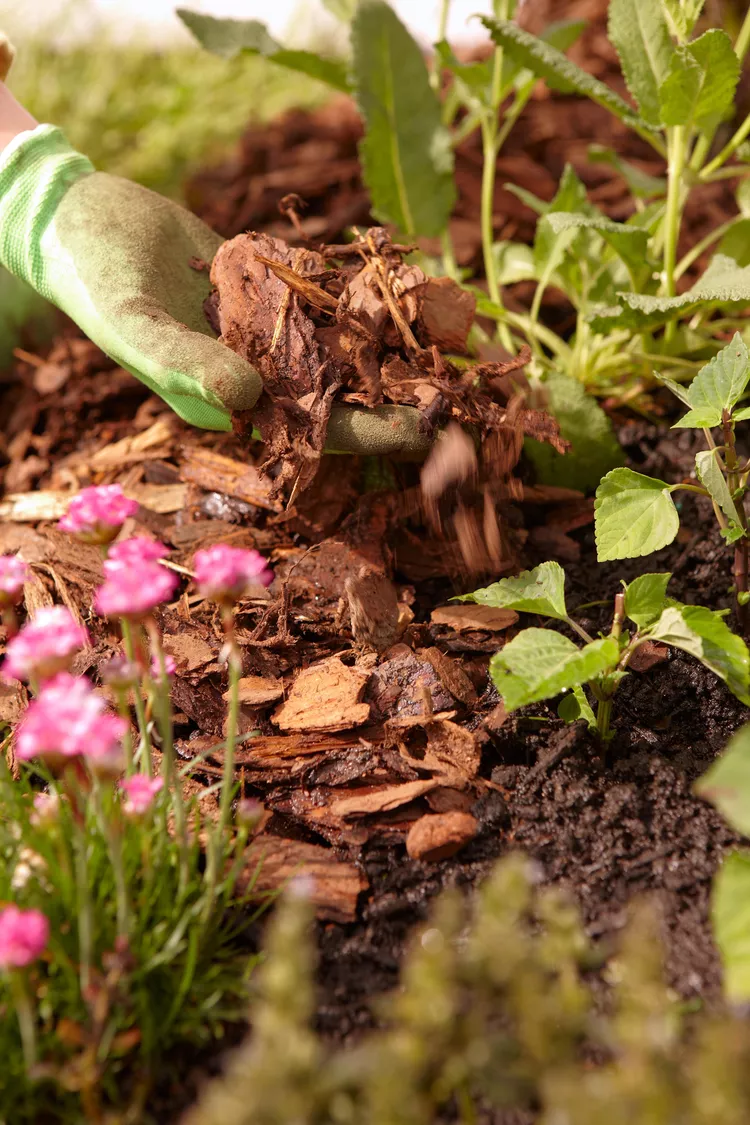
If your poor drainage area is a relatively small one and not too severe, you can lighten the soil by working in lots of organic matter. Compost is filled with pore spaces for oxygen. Mix it with slow draining soil to help add valuable air pockets. This is a multi-year process. Incorporate 3-4 inches of compost yearly to improve drainage over time.

2. Grow Water-Loving Plants

If the soggy area is too large to alter by adding compost or isn't going to change (a riverbank, for example), you have several alternatives. The simplest approach is to choose water-loving plants, such as marsh marigold, cardinal flower, and turtlehead, and, if necessary, to construct raised paths or boardwalks through the garden so that you can enjoy the garden from a drier viewpoint.

3. Build a Rain Garden

A rain garden is a terrific solution for areas that are prone to periodic sogginess. These hardworking landscape features collect and filter runoff water, allowing it to slowly percolate into the landscape. Rain gardens are filled with plants that appreciate wet soil but will also tolerate short dry periods.

4. Create a Bog Garden or Pond

Another, more elaborate solution to a poorly drained spot is to create a pond, bog, or water garden. This will probably require some professional help: The land will have to be carefully sculpted in order to hold enough water in the area. The added bonus of having a small pond on your property is that wildlife naturally gravitates toward wet areas for drinking and bathing. Numerous birds, such as grackles, mocking birds, catbirds, cardinals, and nuthatches, are sure to seek out your wet garden.

5. Install Drain Tile

A more labor-intensive solution to altering a site with poor drainage is to excavate the soil and install underground drainage tile. Attention to detail is key to success when installing drain tile. Carefully analyze slope, tile depth, and where the water will outlet. A rain garden or bog garden might be necessary near the drain tile outlet. It's often best to involve a landscape professional for this project, but if you would like to tackle it yourself, here are the tools, materials, and instructions to use.

What You Need:

  • Shovel
  • Gravel
  • Rake
  • Corrugated drainage tile
  • Topsoil
  • Stones or groundcover

Step 1: Dig a Trench

Dig a trench from the wet area to the desired drainage area. An 18-inch-deep trench will usually work for most landscape drainage situations. The trench should have enough of a slope to move the water to the drainage area. Make the trench an inch or two wider than the pipe you plan to install.

Step 2: Spread Gravel

Spread a few inches of gravel in the bottom of the trench and rake smooth. Lay drain tile on top of the gravel.

Step 3: Cover and Protect Pipe

Cover the entire drainage pipe with a few inches of gravel to prevent soil particles from plugging the openings in the tile. Then, fill the trench to the surface level with topsoil.

Step 4: Camouflage Outlet

At the pipe's outlet, cover the drainage field with stones or with a moisture-loving groundcover without blocking the pipe. If you're worried about critters getting into the pipe, place wire mesh over the opening. If you do cover the end, make sure to clean debris off the mesh to avoid blockages.

Related Article

How to Plant and Grow Bermudagrass for a Lush Lawn
34.9K
2.4K
806

How to Plant and Grow Bermudagrass for a Lush Lawn

A turfgrass for warm climates, Bermudagrass forms a dense lawn that stands up to traffic and heat. Here's how to care for a Bermudagrass lawn.
Can You Mow Wet Grass? The Answer, Plus 7 Mowing Tips
10.7K
214
38

Can You Mow Wet Grass? The Answer, Plus 7 Mowing Tips

Wet grass, whether it’s from morning dew or relentless rain, makes lawn care challenging. Keep your turf in check with our mowing tips.
The Best Time to Add Fertilizer to Your Lawn Before Winter
40.1K
3.6K
721

The Best Time to Add Fertilizer to Your Lawn Before Winter

Cultivate a happy, healthy lawn all year long with a nutrient boost before freezing weather occurs.
5 Simple Steps for Preparing Gardens for Winter Weather
20.1K
201
86

5 Simple Steps for Preparing Gardens for Winter Weather

Follow our five-step guide to preparing gardens for winter weather, including protecting perennials, trees, and shrubs from harsh conditions.
21 Plants for Sandy Soil That Thrive in Dry Conditions
23.4K
1.2K
408

21 Plants for Sandy Soil That Thrive in Dry Conditions

Discover 21 plants that flourish in sandy soil. From vibrant flowers to hardy shrubs, find the best options for your garden.
What Every Homeowner Needs to Know About Dethatching Lawns
31.5K
944
169

What Every Homeowner Needs to Know About Dethatching Lawns

Restore your grass so it is lush and green by learning the why, when, and how of dethatching a lawn. These lawn dethatching tips will make you an expert.
How to Plant and Grow Cardinal Climber
26K
780
343

How to Plant and Grow Cardinal Climber

Cardinal climber is a fast-growing annual vine with vibrant red flowers that bloom all summer. Learn how to grow it here.
How to Plant and Grow Serviceberry
32.7K
981
176

How to Plant and Grow Serviceberry

Discover essential tips for growing serviceberry, a flowering tree with edible berries that is one of spring's first sources of nectar.
11 of the Best Flowering Vines for Shade
24.9K
1.7K
696

11 of the Best Flowering Vines for Shade

Brighten up your shady garden with these vining plants that have beautiful flowers.
5 Best Raised Bed Garden Layouts—and How to Choose the Right One for Your Space
33.7K
1.7K
370

5 Best Raised Bed Garden Layouts—and How to Choose the Right One for Your Space

Designers share their favorite raised bed garden layouts for all kinds of spaces and gardeners.
5 Smart Solutions for Dealing with Poor Drainage in Your Yard
47.7K
2.4K
620

5 Smart Solutions for Dealing with Poor Drainage in Your Yard

Find out how to improve drainage in soil so that you can grow your garden plants. Or, if you can't, learn how to fix the soil that doesn't drain so that you can still enjoy colorful flowers.
How to Plant a Water Lily in a Container to Brighten Up Your Pond
18.6K
556
100

How to Plant a Water Lily in a Container to Brighten Up Your Pond

This aquatic plant looks beautiful in water gardens large and small. Plant waterlilies in a container by following these easy step-by-step instructions.
How to Plant and Grow Haworthia
38.8K
3.1K
901

How to Plant and Grow Haworthia

Discover how to care for members of the genus Haworthia as houseplants or outdoors. Learn about proper lighting, fertilizing, and heat as well as how to propagate these fascinating little succulents.
How to Grow and Care for Indoor Cyclamen
18.7K
749
104

How to Grow and Care for Indoor Cyclamen

Florist’s cyclamen have a reputation for being tricky to grow but this guide will help you keep these plants blooming in winter and then rebloom year after year indoors.
How to Get Orchids to Rebloom with These 5 Must-Know Tips
32.9K
1.6K
164

How to Get Orchids to Rebloom with These 5 Must-Know Tips

Find out what to do with moth orchids after they bloom and get them to rebloom year after year.
How to Propagate a Rubber Plant Successfully
28.1K
1.7K
725

How to Propagate a Rubber Plant Successfully

Learn how to propagate rubber plants through cuttings and air layering with this step-by-step guide.
How to Arrange Plants In Your Living Room to Add Natural Style
14.9K
148
28

How to Arrange Plants In Your Living Room to Add Natural Style

Here are tips for how to arrange plants in your living room and how to care for them to bring new life to your home's decor.
Top Plants for Florida Landscaping and Gardens
49.5K
494
207

Top Plants for Florida Landscaping and Gardens

The tropical environment means top plants for Florida will thrive and grow, adding lush, green bulbs, trees and perennials to landscapes and gardens.
Is Electroculture Gardening the Next Great Thing in Plant Care?
34.6K
3.1K
778

Is Electroculture Gardening the Next Great Thing in Plant Care?

Electroculture gardening harnesses atmospheric energy to naturally and organically promote plant growth. Learn what electroculture gardening is, plus how you could try it at home.
Can You Plant Garlic in the Spring? With These Must-Know Tips, You Can
37.1K
3.3K
600

Can You Plant Garlic in the Spring? With These Must-Know Tips, You Can

Even if you missed the fall planting window, here's how you can plant garlic in spring and still get tasty greens and bulbs to eat.