How to Make a Simple Rain Garden to Solve Stormwater Problems

10.3K
620
217
2025-11-14
How to Make a Simple Rain Garden to Solve Stormwater Problems

Whenever it rains, all that water has to go somewhere. Unfortunately, our homes, patios, driveways, and other hard surfaces prevent water from seeping into streams and underground aquifers. Instead, the rainwater usually runs into storm drains and sewers, often carrying pollution that can contaminate water supplies.

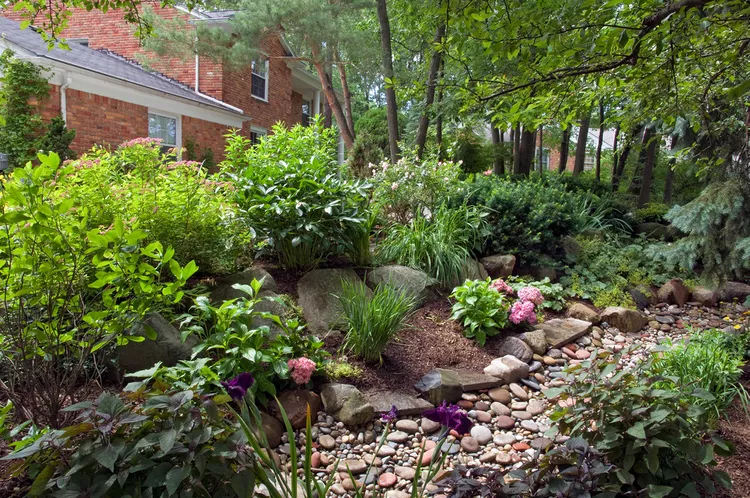
Creating a rain garden in your yard is a practical and beautiful solution. This water-smart landscape feature is designed to catch and filter rainwater runoff with the help of native plants. Plus, your rain garden will provide a home to birds, butterflies, and other beneficial creatures. Use these easy steps to design your own eco-friendly rain garden.

What You'll Need

Equipment / Tools

  • Soil test
  • Shovel

Materials

  • Water-absorbing compost (optional)
  • Topsoil (optional)
  • Native plants and grasses
  • Border plants
  • Mulch

Instructions

How to Create a Rain Garden

  1. Choose the Right Site for Your Rain Garden

    Take a good look at your yard: Do any low areas have a little standing water after heavy rain? That could be a natural place to start a rain garden. You also want the site to be in full sun to part shade and at least 10 feet away from your house. Finally, locate your rain garden down a slope from a downspout, ditch—or another water outlet—running off hard surfaces on your property.

  2. Prepare Your Soil

    Remove any lawn or other vegetation from the spot where you'd like to create a rain garden. Clay soils work best because they have a slower percolation rate, allowing water to drain slowly. If you are unsure of the type of soil you have, complete a soil test, which can usually be done for a small fee through your state's extension service. If you have loose, sandy soil, you will need to add water-absorbing compost and topsoil to the rain garden area.

    Using a shovel, dig out the soil to a depth of 6 inches, gently sloping down from the outside edges to the center where it should be deepest. Use the loose soil to create a low berm on the lowest side of the rain garden. As water flows into your new rain garden, the berm will help hold it long enough to seep into the soil. If you make the garden deeper than 6 inches, mosquitos could become a problem because it will take the water longer to percolate down and evaporate completely.

  3. Select Native Flowering Plants and Grasses

    The best rain garden plants are those that can tolerate wet sites. Many native plants from boggy habitats work well. Use native grasses, sedges, and rushes in at least one-third to one-half of the rain garden. These plants have very deep root systems that help water seep down into the soil. Also, select plants with different foliage, texture, and colorful flowers for the prettiest look.

  4. Add in Marginal Plants

    Other good plant choices for a rain garden include marginal plants that aren't necessarily native. These plants typically grow near the margin or edge of a pond and tolerate both extremes of moisture: They thrive in soggy soil but are content in dry spells, too, bouncing back when water becomes available again. Such plants include 'Bengal Tiger' canna, scarlet rose mallow, yellow flag iris or Siberian iris, cardinal flower, and obedient plant.

  5. Plan and Plant Your Rain Garden

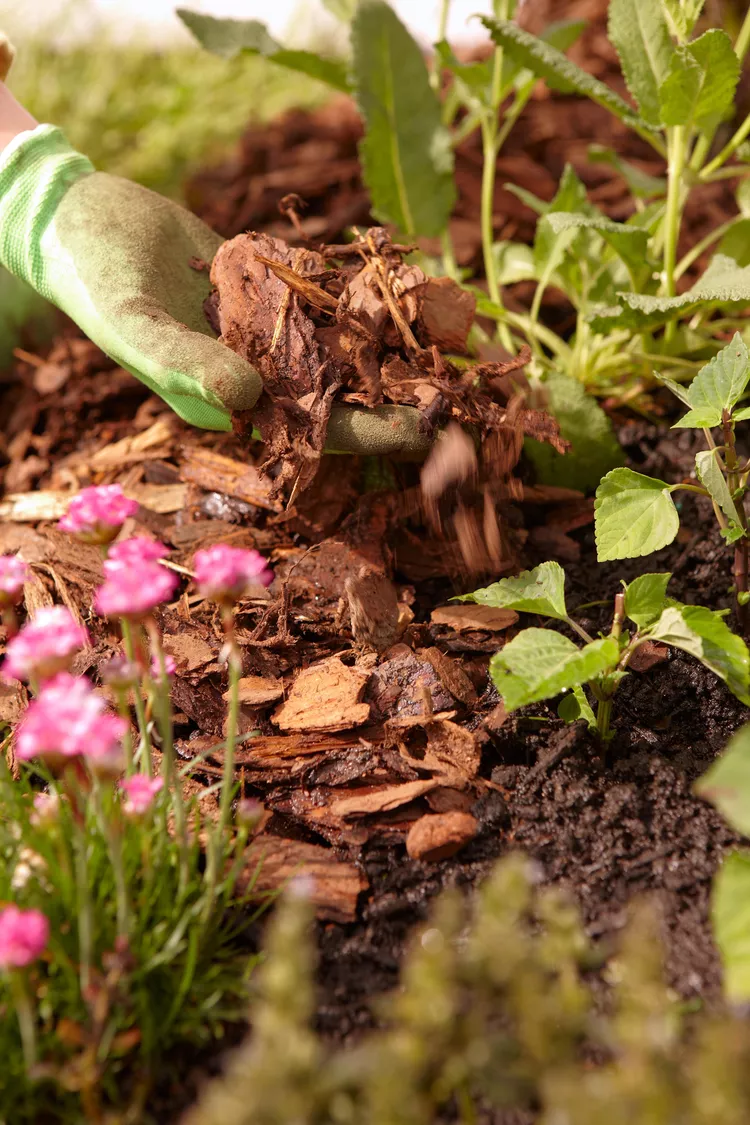
    In the final step to designing a rain garden, arrange the plants how you'd like them, spacing them according to label directions. Consider planting in larger drifts of five to seven plants for a more natural look and the best overall impact. Once you've gotten all plants in the ground, water well and add a layer of mulch.

    If the weather is dry for the first couple of weeks after planting, continue watering to help your new plants get established. Remove any weeds that pop up. After your rain garden's first summer, it won't need much additional care other than cutting back old, dead growth in spring.

Related Article

How to Plant and Grow Bermudagrass for a Lush Lawn
34.9K
2.4K
806

How to Plant and Grow Bermudagrass for a Lush Lawn

A turfgrass for warm climates, Bermudagrass forms a dense lawn that stands up to traffic and heat. Here's how to care for a Bermudagrass lawn.
Can You Mow Wet Grass? The Answer, Plus 7 Mowing Tips
10.7K
214
38

Can You Mow Wet Grass? The Answer, Plus 7 Mowing Tips

Wet grass, whether it’s from morning dew or relentless rain, makes lawn care challenging. Keep your turf in check with our mowing tips.
The Best Time to Add Fertilizer to Your Lawn Before Winter
40.1K
3.6K
721

The Best Time to Add Fertilizer to Your Lawn Before Winter

Cultivate a happy, healthy lawn all year long with a nutrient boost before freezing weather occurs.
5 Simple Steps for Preparing Gardens for Winter Weather
20.1K
201
86

5 Simple Steps for Preparing Gardens for Winter Weather

Follow our five-step guide to preparing gardens for winter weather, including protecting perennials, trees, and shrubs from harsh conditions.
21 Plants for Sandy Soil That Thrive in Dry Conditions
23.4K
1.2K
408

21 Plants for Sandy Soil That Thrive in Dry Conditions

Discover 21 plants that flourish in sandy soil. From vibrant flowers to hardy shrubs, find the best options for your garden.
What Every Homeowner Needs to Know About Dethatching Lawns
31.5K
944
169

What Every Homeowner Needs to Know About Dethatching Lawns

Restore your grass so it is lush and green by learning the why, when, and how of dethatching a lawn. These lawn dethatching tips will make you an expert.
How to Plant and Grow Cardinal Climber
26K
780
343

How to Plant and Grow Cardinal Climber

Cardinal climber is a fast-growing annual vine with vibrant red flowers that bloom all summer. Learn how to grow it here.
How to Plant and Grow Serviceberry
32.7K
981
176

How to Plant and Grow Serviceberry

Discover essential tips for growing serviceberry, a flowering tree with edible berries that is one of spring's first sources of nectar.
11 of the Best Flowering Vines for Shade
24.9K
1.7K
696

11 of the Best Flowering Vines for Shade

Brighten up your shady garden with these vining plants that have beautiful flowers.
5 Best Raised Bed Garden Layouts—and How to Choose the Right One for Your Space
33.7K
1.7K
370

5 Best Raised Bed Garden Layouts—and How to Choose the Right One for Your Space

Designers share their favorite raised bed garden layouts for all kinds of spaces and gardeners.
5 Smart Solutions for Dealing with Poor Drainage in Your Yard
47.7K
2.4K
620

5 Smart Solutions for Dealing with Poor Drainage in Your Yard

Find out how to improve drainage in soil so that you can grow your garden plants. Or, if you can't, learn how to fix the soil that doesn't drain so that you can still enjoy colorful flowers.
How to Plant a Water Lily in a Container to Brighten Up Your Pond
18.6K
556
100

How to Plant a Water Lily in a Container to Brighten Up Your Pond

This aquatic plant looks beautiful in water gardens large and small. Plant waterlilies in a container by following these easy step-by-step instructions.
How to Plant and Grow Haworthia
38.8K
3.1K
901

How to Plant and Grow Haworthia

Discover how to care for members of the genus Haworthia as houseplants or outdoors. Learn about proper lighting, fertilizing, and heat as well as how to propagate these fascinating little succulents.
How to Grow and Care for Indoor Cyclamen
18.7K
749
104

How to Grow and Care for Indoor Cyclamen

Florist’s cyclamen have a reputation for being tricky to grow but this guide will help you keep these plants blooming in winter and then rebloom year after year indoors.
How to Get Orchids to Rebloom with These 5 Must-Know Tips
32.9K
1.6K
164

How to Get Orchids to Rebloom with These 5 Must-Know Tips

Find out what to do with moth orchids after they bloom and get them to rebloom year after year.
How to Propagate a Rubber Plant Successfully
28.1K
1.7K
725

How to Propagate a Rubber Plant Successfully

Learn how to propagate rubber plants through cuttings and air layering with this step-by-step guide.
How to Arrange Plants In Your Living Room to Add Natural Style
14.9K
148
28

How to Arrange Plants In Your Living Room to Add Natural Style

Here are tips for how to arrange plants in your living room and how to care for them to bring new life to your home's decor.
Top Plants for Florida Landscaping and Gardens
49.5K
494
207

Top Plants for Florida Landscaping and Gardens

The tropical environment means top plants for Florida will thrive and grow, adding lush, green bulbs, trees and perennials to landscapes and gardens.
Is Electroculture Gardening the Next Great Thing in Plant Care?
34.6K
3.1K
778

Is Electroculture Gardening the Next Great Thing in Plant Care?

Electroculture gardening harnesses atmospheric energy to naturally and organically promote plant growth. Learn what electroculture gardening is, plus how you could try it at home.
Can You Plant Garlic in the Spring? With These Must-Know Tips, You Can
37.1K
3.3K
600

Can You Plant Garlic in the Spring? With These Must-Know Tips, You Can

Even if you missed the fall planting window, here's how you can plant garlic in spring and still get tasty greens and bulbs to eat.