
Meadowscaping uses flowers and grasses to create a wild and beautiful meadow-like aesthetic with several ecological benefits. Meadows will attract more birds, butterflies, and bees to your yard, reduce your carbon footprint, and reduce stormwater runoff from your yard into local lakes and streams. Plus, once established, they are low-maintenance and require less labor and cost than a lawn.
The myriad perks of meadowscaping haven’t gone unnoticed. “It’s definitely caught on,” says Becky Klukas Brewer, director and co-owner of Prairie Moon Nursery, the largest native plant nursery in the United States. Julie Weisenhorn, horticulture educator at the University of Minnesota Extension, credits this to the fact that native plants in general have become more popular, which has made people more accustomed to the unique look they give to a landscape.
Becky Klukas Brewer is the director and co-owner of Prairie Moon Nursery, the largest native plant nursery in the United States.
Julie Weisenhorn is Associate Extension Professor and Extension Educator, Horticulture with University of Minnesota Extension.
How to Start Meadowscaping
Before planting a meadow, there are a few things to consider. First, you’ll need to determine whether to use seeds or plants. Seeds are very affordable but more time-consuming. “A small bag of seed covers 500 square feet for $25, versus a couple thousand dollars for plants,” to fill the same area, says Brewer. The downside to seeds is that they’ll take around three years to become established, while started plants provide quicker gratification.
Second, it’s important to select species that match your goals and the characteristics of your yard. When planning your meadow, it’s important to go native, both Brewer and Weisenhorn stressed. Native plants are more resilient to stress from extreme weather and variability from climate change. Natives also do a better job supporting pollinators than exotic plants, explains Weisenhorn. So, stay away from “meadows in a can” products, which often contain non-native species, and cultivars, which don’t have the same benefits for pollinators as natives.
A wide variety of native seed mixes and plants are available depending on the look you’re after, your soil type, and amount of sun. “Contact your local native plant growers to choose plants that match your conditions,” advises Weisenhorn.
Before planting your meadow, you’ll also need to prepare the site. This may require removing existing turf, smothering weeds, and/or tiling the soil. Many landscaping companies can help you with these steps, if you don’t feel like tackling it yourself.
Maintaining Your Meadowscape
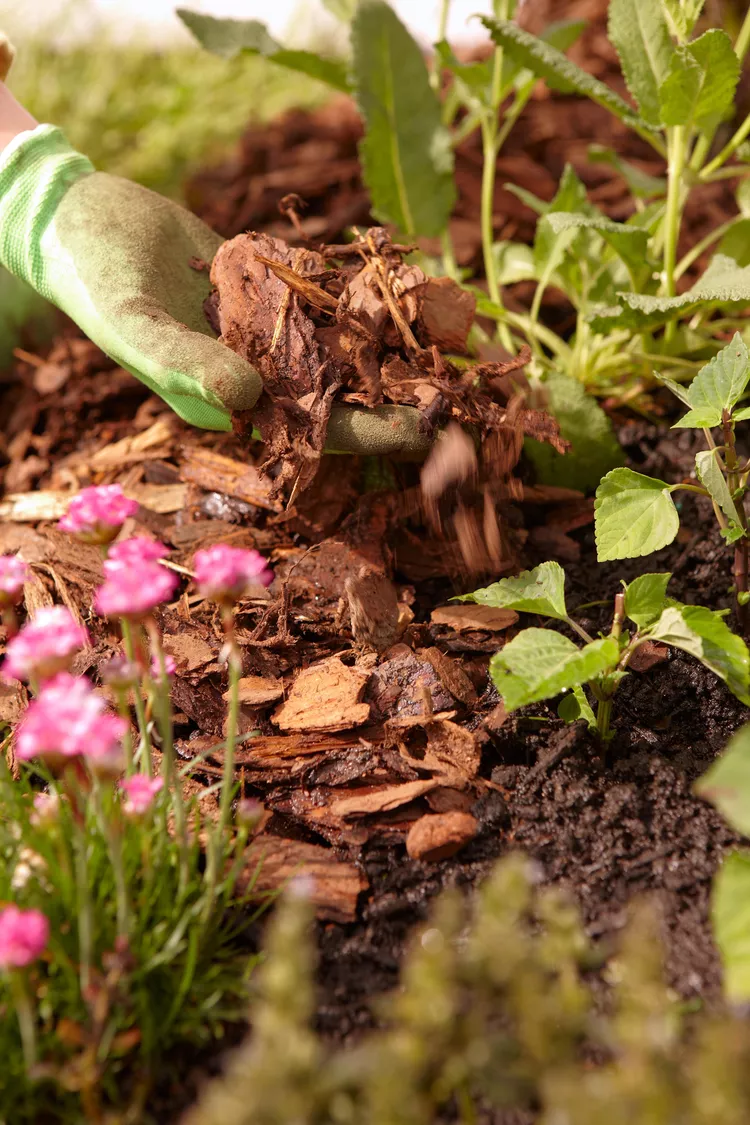
Meadows do require some maintenance, especially during the first few years. Until your meadow becomes established, it’s imperative to manage weeds. For seeded meadows, mowing for the first few years is the easiest way to keep weeds at bay. For planted meadows, hand weed and mulch until the plants fill in. But once your meadow becomes established, it will be virtually maintenance free. You’ll only need to cut and rake away the dead vegetation each spring, which is far easier than mowing grass each week.
Tips for Making a Mini Meadow
If you’re not ready to convert your entire lawn to wildflowers, then start smaller. “A lot of people will become overwhelmed by ripping out their entire front yard,” says Weisenhorn. That's why she often recommends replacing a small area of turf grass and expanding over time. Not only is this less expensive, but you can also learn what works best for your site before making over your entire yard. Going slow can also help accustom neighbors to the new look. Here are some ideas for meadowscaping on a smaller scale:
- Focus on hard-to-mow areas. Meadowscaping can be great for places where turf struggles to grow, such as on steep slopes or wet areas. Native plants have deeper roots that allow them to thrive in less-than-ideal conditions.
- Beautify along sidewalks. The strip between sidewalks and the road can be a great place to start meadowscaping. Instead of mowing the strip, turn it into a colorful mini meadow with year-long interest.
- Reimagine borders. Instead of foundation plantings, try meadowscaping around your home. Plant a strip next to your property line instead of a fence. Alternatively, add a swath of meadow around a patio or fire pit to define the space.
Getting Neighbors on Board
While you might be excited about installing a meadow, your neighbors might not appreciate the wilder look…at least initially. “Communication is really important,” stresses Weisenhorn. Talk to your neighbors and let them know what you’re doing.
Check whether meadows are allowed where you live before installing one, because some local municipalities and homeowners associations have rules that limit what you can grow in your yard. If your community’s rules don’t allow meadows, find out what you can do to change the rules.
Signs can also inform neighbors that you’re not just growing a bunch of weeds. “I always tell people to get a sign,” says Brewer. For the first few years, use a temporary sign that says “Meadow in Progress”. When the meadow is established, replace it with a metal sign that identifies your yard as a native wildflower meadow. Simply placing a fence around the area can also help people understand that what you’re doing is intentional.
Overall, meadowscaping is a growing movement that’s only going to get bigger. So, don’t be afraid to try something different. And who knows, you neighbors may even join you by meadowscaping their own yards.