
Glossy abelia (Abelia x grandiflora) is an easy-to-grow flowering shrub well-suited for foundation beds and mixed shrub borders. The small, glossy green leaves turn purple-bronze or shades of orange in autumn. Count on the fragrant, bell-shaped flowers to appear in late spring and continue opening through fall. This guide to growing glossy abelia includes tips on watering, fertilizing, pruning, and more.
Glossy Abelia Overview
| Genus Name | Abelia x grandiflora |
| Common Name | Glossy Abelia |
| Plant Type | Shrub |
| Light | Part Sun, Sun |
| Height | 2 to 8 feet |
| Width | 3 to 6 feet |
| Flower Color | Pink, White |
| Foliage Color | Blue/Green |
| Season Features | Colorful Fall Foliage, Fall Bloom, Spring Bloom, Summer Bloom |
| Special Features | Attracts Birds, Fragrance, Low Maintenance |
| Zones | 6, 7, 8, 9 |
| Propagation | Stem Cuttings |
| Problem Solvers | Deer Resistant, Drought Tolerant, Good For Privacy, Slope/Erosion Control |
Where to Plant Glossy Abelia
Hardy in USDA Zones 6-9, with a few newer varieties hardy to Zone 4, glossy abelia is most commonly grown in warmer regions where it is evergreen or semi-evergreen. In Zones 6 and 7, protect this shrub from extreme cold by planting it in a sheltered location. It frequently dies back to ground level when the air temperature dips to 0°F. A south-facing foundation or protected patio area are good planting locations in Zones 6 and 7.
In the landscape, add glossy abelia to a mixed border for evergreen color in warm zones. Mix small cultivars into a perennial bed for year-round structure. Plant tall cultivars near a property line or wherever you need a living screen. This shrub forms a strong root system so works well for stabilizing slopes. One of abelia’s most loved characteristics is its fragrant flowers. Plant it near an entry, walkway, or patio where you can enjoy the flowers from spring through fall.
How and When to Plant Glossy Abelia
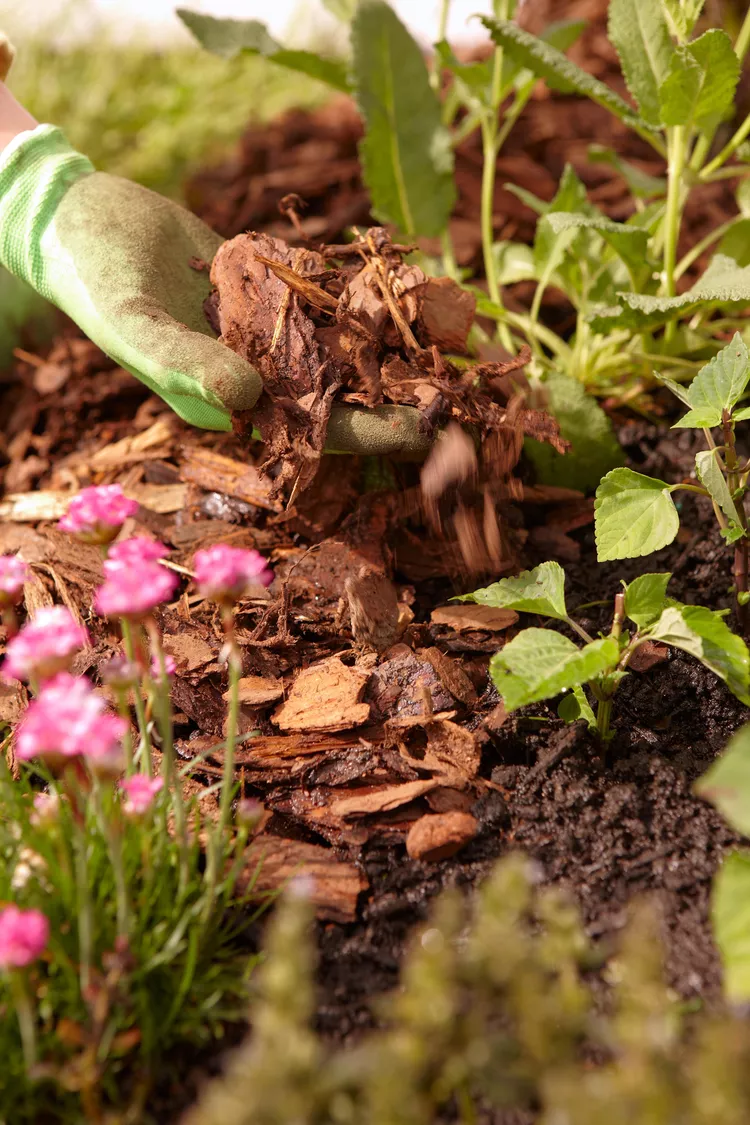
Plant glossy abelia in early spring or early fall. Dig a hole as deep as the plant’s root ball and slightly wider. Position the shrub in the planting hole, adding or removing soil as necessary so that the top of the root ball is level with the surrounding grade. Backfill the planting hole with the native soil and tamp it firmly to eliminate air pockets. Spread a 2-inch-thick layer of mulch around the plant’s root zone to conserve soil moisture and prevent weeds.
Water glossy abelia regularly for about eight weeks after planting to encourage new roots to grow. Aim to provide the young plant with about 1 inch of water per week. When natural rainfall totals fall short, water the plant by hand. Glossy abelia has good drought tolerance and doesn’t require supplemental watering after it establishes a strong root system.
Glossy Abelia Care Tips
Light
Grow glossy abelia in full sun or part shade. It flowers best when it receives eight or more hours of direct sunlight daily. It is an excellent plant to grow on the south or west side of a dwelling where sunlight can be more intense. Abelia will grow in part shade but with a more open form and significantly fewer flowers.
Soil and Water
Glossy abelia tolerates a range of soil conditions. It grows well in clay, sandy soil, and loam if water drains freely. It doesn’t grow well in consistently wet or boggy soils. Water glossy abelia deeply about once a week to promote growth and flowering during extended dry periods.
Temperature and Humidity
This warm-region shrub is most reliable in Zones 8 and 9, where temperatures infrequently dip below freezing. In Zones 6 and 7, glossy abelia dies back to ground level during extremely cold winter conditions. Plant it in a protected location, such as near a south-facing wall or in a protected patio or alcove area, to prevent the plant from winter injury. Winter-damaged abelia will send up new shoots in spring, which should produce abundant flowers and foliage. Glossy abelia shrubs do best in moderate humidity.
Fertilizer
Glossy abelia doesn’t require fertilizer to grow and flower well. A slow-growing or weak plant might benefit from a 2-inch-thick layer of compost spread over its root zone. The compost will add sufficient nutrients.
Pruning
Prune glossy abelia in late winter or very early spring. This shrub produces its flower buds in spring. Prune plants before growth actively begins to reduce the chance of pruning away developing flower buds.
Rejuvenate an overgrown abelia by selectively removing about one-third of the largest stems to ground level. Prune the remaining branches back by one-third of their length. Water the shrub regularly for several weeks after the extensive pruning.
Potting and Repotting Glossy Abelia
Abelia thrives in a large container filled with high-quality potting soil. Be sure to water the container daily during warm weather to encourage good growth. Fertilize the plant with a slow-release fertilizer mixed into the soil in spring and late summer. Repotting can be done yearly but isn't necessary.
Pests and Problems
Glossy abelia has no significant pests or diseases. In Zones 6 and 7, where temperatures fall to near 0°F, the shrub dies back to ground level. Cut back the dead stems in early spring and expect new growth to emerge within a few weeks.
How to Propagate Glossy Abelia
In early summer, take 6- to 8-inch softwood cuttings (without flower buds) from a glossy abelia, cutting just below a leaf node. Remove the leaves from the lower half of the cutting and dip the end into rooting hormone. Fill 4-inch pots with well-draining soil and plant one cutting in the center of each pot, burying the lower third of the cutting in the soil. Place the container in a warm, shady area for a couple of months until roots form.
Types of Glossy Abelia
‘Angel’s Blush’
Abelia x grandiflora ‘Angel’s Blush’ has small green and white variegated leaves that take on a rose-pink hue in cold weather. It has white flowers and grows 2 to 3 feet tall and wide. Zones 6–9.
‘Funshine’
Abelia × grandiflora ‘Funshine’ has yellow-orange foliage all summer and purple flowers. Grow this 2- to 3-foot-tall abelia at the front of a shrub border. Zones 6–9.
‘Lucky Lots’
Abelia × grandiflora ‘Lucky Lots’ has striking variegated leaves and white flowers. It grows 3 to 4 feet tall and wide. Zones 7–9.
‘Sunny Anniversary’
Abelia × grandiflora ‘Sunny Anniversary’ is colored with soft yellow flowers—a unique color for abelia—for weeks in summer. It grows 4 feet tall and wide. Zones 6–9.
Glossy Abelia Companion Plants
Create a vibrant, low-maintenance shrub border by planting glossy abelia with other easy woody plants.
Deutzia
Deutzia’s claim to fame is its bountiful white or pink blooms in early spring. Specimen plants are amazing to behold when in full bloom, as the thick cover of blossoms leaves hardly a single leaf visible. Zones 5-8
Summersweet
Summersweet (Clethra alnifolia) blooms in late summer with fragrant white flowers. Hummingbirds and butterflies love the blooms, but deer avoid it, so this is a shrub for areas with deer populations. Zones 3-9
Winter Daphne
Winter daphne (Daphne odora) brings winter color to the garden by unfurling fragrant flowers from winter to early spring. Many varieties of winter daphne have variegated or two-tone leaves that give the shrub year-round interest. Zones 6-10