
Leucothoe is a garden workhorse—with the right conditions, this shrub is easy to grow, has few pests, and looks good in every season. Its graceful habit recommends it for a variety of uses: as a low evergreen hedge, an addition to a mixed border or shade garden, ground covering for a bank, or a container specimen. It’s undemanding and as handsome an evergreen shrub as you could ask for. Several of the roughly 50 species in the Leucothoe genus are native to the United States.
New growth is typically reddish bronze before turning dark green, and some selections display burgundy fall and winter foliage. The white or cream urn-shaped flower clusters open in late spring and last through early summer, drooping gracefully from the branches.
Leucothoe shrubs are toxic to humans and animals.
Leucothoe Overview
| Genus Name | Leucothoe spp. |
| Common Name | Leucothoe |
| Additional Common Names | Doghobble, Fetterbush |
| Plant Type | Shrub |
| Light | Part Sun, Shade |
| Height | 1 to 6 feet |
| Width | 3 to 6 feet |
| Flower Color | White |
| Foliage Color | Blue/Green, Purple/Burgundy |
| Season Features | Colorful Fall Foliage, Spring Bloom, Summer Bloom, Winter Interest |
| Special Features | Good for Containers, Low Maintenance |
| Zones | 5, 6, 7, 8, 9 |
| Propagation | Seed, Stem Cuttings |
| Problem Solvers | Deer Resistant, Slope/Erosion Control |
Where to Plant Leucothoe
The ideal location for growing leucothoe is cool and partly shaded with acidic, moist but well-drained soil that is rich in organic matter.
Protection from winter winds and hot sun is necessary. The shrub tolerates more sun in cooler regions, but the soil must remain moist. Winter winds may cause serious dieback of branches, so grow leucothoe in a spot where it is protected from the wind by larger shrubs and trees or a structure. It grows well in light-to-deep shade, making it indispensable for naturalizing in a woodland garden. Give it space to grow and consistent water—leucothoe doesn’t like to dry out.
How and When to Plant Leucothoe
Plant leucothoe in early spring so that it has time to become established before dealing with the heat of summer. Alternatively, plant leucothoe in the fall; its roots will begin to grow before winter sets in, and they will be ready to support new growth the following spring.
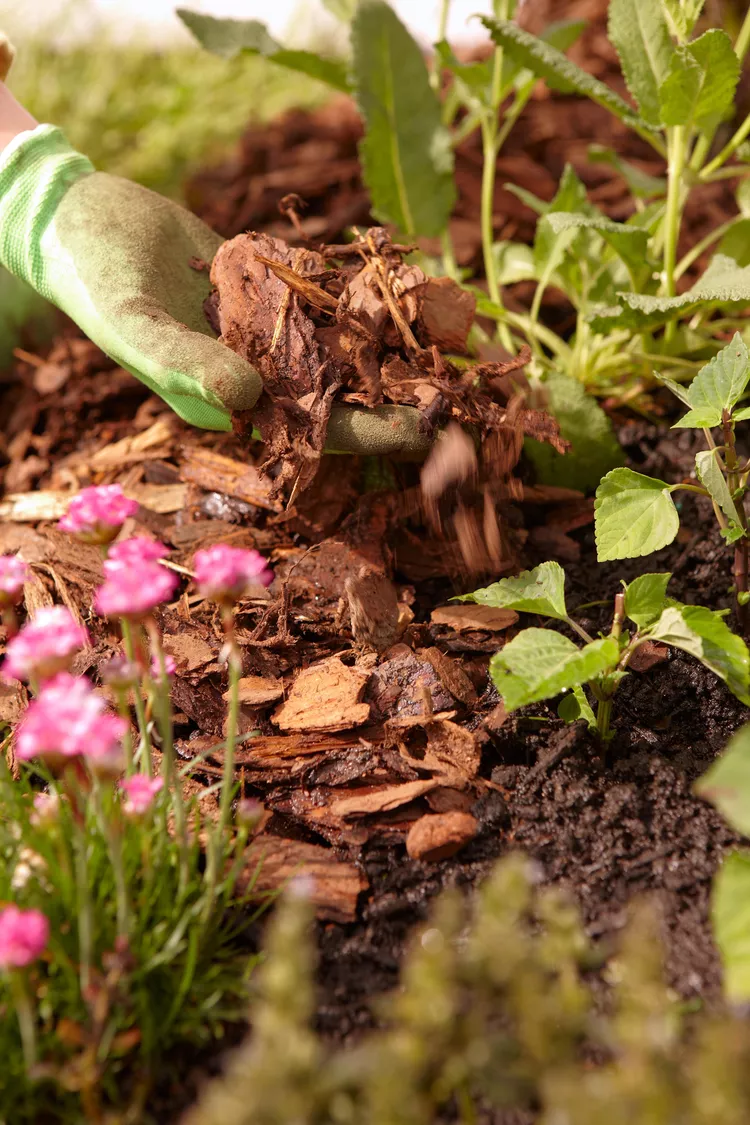
Plant container-grown leucothoe in a hole as deep as the root ball and about twice as wide. If the soil is not already rich in organic matter, work compost or peat moss into the soil. After taking the plant out of the pot, disturb the roots a bit to encourage them to grow outward. Then, set it in the hole so it’s growing at the same depth as in the pot. Firm the amended soil around the roots and tamp down to remove the air pockets. Water thoroughly and mulch with shredded hardwood, bark, or pine needles, keeping the mulch a couple of inches away from the trunk.
Leucothoe Care Tips
Leucothoe is easy to care for when its basic needs are met.
Light
Leucothoe grows best in light to deep shade. It’s comfortable in all-day dappled shade or a spot with a few hours of morning sun followed by afternoon shade. It’s an ideal plant for the shade garden, where its fall and winter foliage colors stand out. Hot afternoon sun causes the leaves to burn and drop.
Soil and Water
The soil should be both well-drained and moisture-retentive. If necessary, add lots of organic matter before planting, or grow the shrub in a pot with adequate drainage holes.
Soil with high organic content and a pH of 4.5 to 6.0 is best for growing leucothoe. The shrub tolerates neutral soil but not an alkaline one. Check the pH of your soil, and if it’s not below 7.0 (neutral), amend it with a soil acidifier before planting.
Leucothoe doesn’t like to dry out, especially before it is established. Keep the plant well-watered and mulch it with 2 to 3 inches of organic mulch to prevent evaporation and keep the soil cooler in summer. Water it regularly, aiming for about an inch of water per week during the growing season.
Temperature and Humidity
Leucothoe suffers from extreme temperatures—hot or cold. Despite their leathery texture, the leaves are easily damaged by winter wind and hot sun. The shrub grows best in a cool, mild location where it is protected from afternoon sun and drying winds.
Fertilizer
Fertilize the shrub in early spring before new growth begins using a complete, slow-release fertilizer for acid-loving plants. Follow the fertilizer label for the recommended amount, spread it beneath the drip line of the shrub, and water it in. Don’t fertilize in late summer or fall because you may stimulate new growth that doesn’t have time to harden before winter sets in.
Pruning
The natural habit of leucothoe is so beautiful that pruning is rarely needed. However, remove any broken, diseased, or awkwardly growing branches after flowering. If leaf spot disease is a problem, thin some of the branches to allow more air circulation to help prevent the disease. This should be done immediately after flowering as well. Don’t prune in late summer or fall.
Rejuvenate old plants by cutting stems back hard to within a few inches of the crown after flowering to encourage lush new growth.
Potting and Repotting Leucothoe
The fountain-like growth habit of leucothoe makes it a great choice for growing in a container. Don’t add other plants to the pot—they will be covered by the spreading, arching stems.
To grow a leucothoe in a container, select a pot a few inches larger than the one it has been growing in and be sure it has ample drainage holes. Use a high-quality potting mix and position the shrub in the new container at the same depth it grew in the nursery or previous container. Water it well and check it often—do not let the soil dry out. A container-grown leucothoe typically needs more frequent watering than one grown in the ground.
Check the potted leucothoe each spring before growth begins to see if it has outgrown its container. You may see roots coming out of the drainage holes. If you suspect that the roots have become crowded, you can also carefully lift the plant out of its pot. Increase the pot size by 2 to 3 inches and repot with fresh potting mix.
Pests and Problems
Although leucothoe has few pests, it is occasionally afflicted with fungal leaf spots. This is most common with plants that are stressed by underwatering or exposure to wind or sun. If you observe leaf spots, reduce their severity by keeping the plant well-watered and thinning the stems for better air circulation.
When leucothoe is planted in poorly drained soil, it is prone to develop root rot. If you plant your leucothoe in a favorable site and keep it watered, you are not usually bothered by these diseases.
How to Propagate Leucothoe
Propagate leucothoe with stem cuttings taken in early summer. Take 4- to 6-inch cuttings from new growth and remove the lower leaves. Moisten high-quality potting soil and fill small containers. Using a pencil or dibble, make a hole for each cutting. Dip the base of the stem in a rooting hormone and place one in each hole, firming the soil around it. Keep the soil moist and in a location shaded from hot sun. Rooting should occur in about three months. Keep the new plants watered and in a protected spot indoors or in a cold frame until the following spring, then transplant them into larger pots or in the ground.
Leucothoe can also be propagated by seed, but this usually requires a greenhouse and mist system. Leucothoe seed needs light to germinate, and the growing medium must be kept constantly moist.
Some varieties of leucothoe are protected by plant patents (indicated by PP and a number) or trademarks and may not be propagated in any form. Before propagating a plant, check the plant tag or research it online to make sure it is legal to propagate.
Types of Leucothoe
The two most common native species are drooping leucothoe (Leucothoe fontanesiana) and its more compact relative, coastal leucothoe (L. axillaris), also known as coastal doghobble. They are native to the southeastern United States and several cultivars are available for each.
‘Girard’s Rainbow’ Drooping Leucothoe
Leucothoe fontanesiana ‘Girard’s Rainbow’ is a leucothoe that grows 3 to 6 feet high and wide. Its new growth is a spectacular mix of white, pink, green, and copper, which matures to a lovely green and white variegation. Zone 5-9
With its bright scarlet new growth, Leucothoes fontanesiana ‘Zeblid’ ('Scarletta') puts on a fine spring show. Leaves mature to deep leathery green and then turn bronze-burgundy in fall and winter. It grows 2 feet tall and 3 to 4 feet wide. Zone 5-8
‘Squirt’ Compact Leucothoe
Leucothoe axillaris ‘Squirt’ is a compact selection of coastal leucothoe that grows to 2 feet tall and 2 to 3 feet wide, making it an excellent choice for smaller gardens. Its copper-colored new growth shows off well against the glossy green older leaves. Zone 5-9
‘ReJoyce’ Coast Leucothoe
Leucothoe axillaris ‘ReJoyce’ has bright red new growth that matures to deep green before turning wine red in fall and winter. This selection of coastal leucothoe adds a dramatic splash of seasonal color to the shady garden. It grows 2 to 3 feet tall and 3 to 4 feet wide. It’s a good choice for growing in a large container. Zone 6-9
Leucothoe Companion Plants
Leucothoe is a great shade garden addition, adding graceful mounds of color throughout the year. It grows well with other plants that prefer cool, moist shade and acid soil.
Viburnum
Viburnums tend to be taller than leucothoe, allowing leucothoe to provide a graceful evergreen undergrowth beneath the showy viburnum branches. Viburnums are known for colorful berries, showy flowers, wonderful fragrance, or brilliant foliage and stem color. Zone 2–9
Mountain Laurel
Like leucothoe, evergreen mountain laurel thrives in soil with an acid pH and consistently moist soil high in organic matter. It grows well in partial shade. In late spring, mountain laurel bears clusters of flowers in white, pink, and red. Zone 5–9
Rhododendron
Rhododendrons are evergreen plants that are complemented by the lower growing skirt of foliage that leucothoe provides. This classic shade garden plant loves acid soil and grows best in a sheltered area in colder regions. Zone 3–10
Oakleaf Hydrangea
Oakleaf hydrangea is a deciduous shrub that flowers later than leucothoe, extending the season of bloom in the garden. These rugged shrubs love the shade and make great woodland plants. It bears snowy cone-shaped flowers in summer, but its large, scalloped leaves redden in autumn. Zone 5-9