How to Plant and Grow Pecan Trees

44.9K
449
175
2025-10-23
How to Plant and Grow Pecan Trees

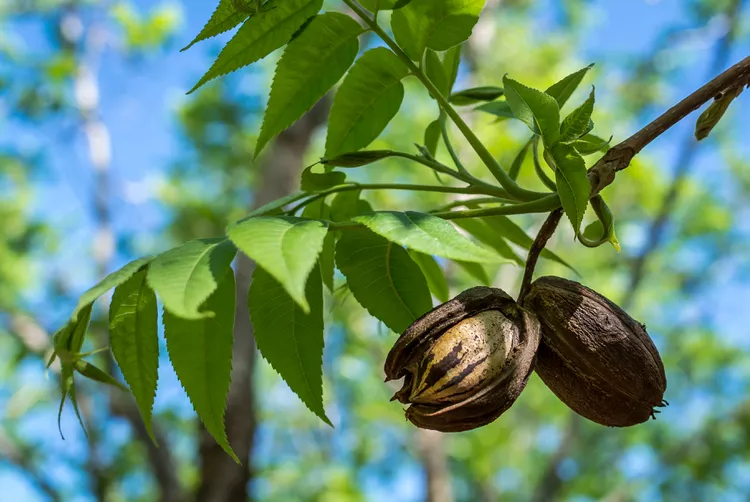
The pecan is one of America’s favorite nuts and the official state tree of Texas. The tree is native to the Southern U.S. and the nuts were long foraged by Indigenous peoples prior to European colonization of North America. In fact, the intentional planting of pecan trees has only been happening for less than 200 years. 

Growing pecans is a long-term endeavor, requiring the right climate and some patience due to their susceptibility to disease and slow growth, respectively. For these reasons, it's best to think of pecans as shade trees in the landscape with the eventual added benefit of harvestable nuts. You will also need to grow these stately trees in groups for proper pollination and more reliable yields. 

Pecans are closely related to walnuts so their nuts have a similar buttery flavor. Unlike walnuts, however, their thin shells make cracking pecans open to reach the rich nuts inside much easier. 

Pecan Tree Overview

Genus Name Carya illinoinensis
Common Name Pecan Tree
Plant Type Tree
Light Sun
Height null to 100 Feet
Width null to 80 Feet
Foliage Color Blue/Green
Season Features Colorful Fall Foliage
Zones 5, 6, 7, 8, 9
Propagation Grafting, Seed

Where to Plant Pecan Trees

Pecan trees are slow-growing, but they'll eventually reach a height of around 100 feet so they require a great deal of space to be grown successfully. From seed, pecans produce a large taproot and are exceptionally difficult to move once planted.

How and When to Plant Pecan Trees

Seeds can be sown in the fall, but will take many years to attain height and produce their first crop. For best growth and to ensure proper cross-pollination, purchase reciprocal grafted cultivars to plant nearby. Planting your trees can be done at any time of year in warmer climates, but the best time to plant is in late winter to early spring, prior to leaves appearing. 

Care Tips for Pecan Trees

Light

While pecans can handle some shade, they will grow best in full sun (8+ hours per day). Avoid planting large-growing trees in close proximity to provide ample space for canopy growth and root expansion.

Soil and Water

Pecans prefer deep, loamy, and rich soils with good drainage. Keep soil moist during drier periods, especially while trees are young.

Temperature and Humidity

Pecans prefer climates with warm, humid summers and cool winters. Long summers are necessary for good nut production.

Fertilizer

Fertilizers can be beneficial for younger trees, but usually aren't necessary for mature pecans. Tree fertilizer stakes can be set around the canopy drip line in early spring.

Pruning

Young pecan trees don't usually need pruning because they'll naturally develop a full canopy as they grow. On grafted trees, remove watersprouts and any other growth from under the graft union to keep the grafted part of the tree strong. As trees begin to gain height, lower branches can be pruned if you want to raise the height of the canopy. 

Pests and Problems

Pecans are prone to developing scab, aphids, and webworms (a type of caterpillar), but these pests are rarely fatal. Scab-resistant cultivars are available and should be chosen in regions with higher humidity where scab, a type of fungus, spreads easily.

How to Propagate Pecan Trees

Pecan nuts (seeds) can be planted in the fall for winter stratification and spring growth, but genetic variation among seedlings and slow growth can be restrictive. Propagation of known cultivars grafted onto select rootstocks is the best way to avoid issues with cross-pollination and ensure resistance to disease.

How to Harvest Pecans

Harvesting pecan nuts is exceptionally easy and amounts to just waiting until the nuts begin to drop from the tree. Because pecan trees become very large over time, shaking the tree and branches is not feasible for most homeowners.

After pecans have begun to fall, harvest daily to avoid predation by wildlife and inspect all fallen nuts for signs of insect damage like holes or cracks in the shells. Newly dropped pecans will look brighter and cleaner than older, duller nuts from previous seasons that might still be on the soil surface.

Once harvested, allow nuts to "cure" in a dry location for a week to ten days prior to storing. This process will eliminate excess moisture that can lead to spoiling during storage.

Companion Plants for Pecan Trees

Like other members of the Juglandaceae family (including walnuts, hickory, and butternuts), pecans produce a chemical known as juglone that can hinder the growth of plants under the trees’ canopies. Sedges, grasses, coral bells (Heuchera spp.), and other smaller perennials with fibrous root systems can be planted under the canopy of pecans. Larger shrubs and small trees (even those resistant to juglone) should not be planted adjacent to young pecans to avoid root competition. 

Frequently Asked Questions

  • Are pecans poisonous?

    While pecans are highly nutritious for humans, they can be toxic for other animals such as dogs, and can result in the need for vet care.

  • Where can you find grafted pecan cultivars?

    In regions where pecans are commonly grown, small trees can typically be found at local nurseries or from mail-order companies. Contact your local extension office for further details.

  • Do pecans produce every year?

    Like their relatives, pecans tend to produce in alternate years. These “bumper crops” are known as “mast years” and biologically are an effort by the trees to produce more seeds (nuts) than can be eaten by predators in a given year.

Related Article

How to Plant and Grow Bermudagrass for a Lush Lawn
34.9K
2.4K
806

How to Plant and Grow Bermudagrass for a Lush Lawn

A turfgrass for warm climates, Bermudagrass forms a dense lawn that stands up to traffic and heat. Here's how to care for a Bermudagrass lawn.
Can You Mow Wet Grass? The Answer, Plus 7 Mowing Tips
10.7K
214
38

Can You Mow Wet Grass? The Answer, Plus 7 Mowing Tips

Wet grass, whether it’s from morning dew or relentless rain, makes lawn care challenging. Keep your turf in check with our mowing tips.
The Best Time to Add Fertilizer to Your Lawn Before Winter
40.1K
3.6K
721

The Best Time to Add Fertilizer to Your Lawn Before Winter

Cultivate a happy, healthy lawn all year long with a nutrient boost before freezing weather occurs.
5 Simple Steps for Preparing Gardens for Winter Weather
20.1K
201
86

5 Simple Steps for Preparing Gardens for Winter Weather

Follow our five-step guide to preparing gardens for winter weather, including protecting perennials, trees, and shrubs from harsh conditions.
21 Plants for Sandy Soil That Thrive in Dry Conditions
23.4K
1.2K
408

21 Plants for Sandy Soil That Thrive in Dry Conditions

Discover 21 plants that flourish in sandy soil. From vibrant flowers to hardy shrubs, find the best options for your garden.
What Every Homeowner Needs to Know About Dethatching Lawns
31.5K
944
169

What Every Homeowner Needs to Know About Dethatching Lawns

Restore your grass so it is lush and green by learning the why, when, and how of dethatching a lawn. These lawn dethatching tips will make you an expert.
How to Plant and Grow Cardinal Climber
26K
780
343

How to Plant and Grow Cardinal Climber

Cardinal climber is a fast-growing annual vine with vibrant red flowers that bloom all summer. Learn how to grow it here.
How to Plant and Grow Serviceberry
32.7K
981
176

How to Plant and Grow Serviceberry

Discover essential tips for growing serviceberry, a flowering tree with edible berries that is one of spring's first sources of nectar.
11 of the Best Flowering Vines for Shade
24.9K
1.7K
696

11 of the Best Flowering Vines for Shade

Brighten up your shady garden with these vining plants that have beautiful flowers.
5 Best Raised Bed Garden Layouts—and How to Choose the Right One for Your Space
33.7K
1.7K
370

5 Best Raised Bed Garden Layouts—and How to Choose the Right One for Your Space

Designers share their favorite raised bed garden layouts for all kinds of spaces and gardeners.
5 Smart Solutions for Dealing with Poor Drainage in Your Yard
47.7K
2.4K
620

5 Smart Solutions for Dealing with Poor Drainage in Your Yard

Find out how to improve drainage in soil so that you can grow your garden plants. Or, if you can't, learn how to fix the soil that doesn't drain so that you can still enjoy colorful flowers.
How to Plant a Water Lily in a Container to Brighten Up Your Pond
18.6K
556
100

How to Plant a Water Lily in a Container to Brighten Up Your Pond

This aquatic plant looks beautiful in water gardens large and small. Plant waterlilies in a container by following these easy step-by-step instructions.
How to Plant and Grow Haworthia
38.8K
3.1K
901

How to Plant and Grow Haworthia

Discover how to care for members of the genus Haworthia as houseplants or outdoors. Learn about proper lighting, fertilizing, and heat as well as how to propagate these fascinating little succulents.
How to Grow and Care for Indoor Cyclamen
18.7K
749
104

How to Grow and Care for Indoor Cyclamen

Florist’s cyclamen have a reputation for being tricky to grow but this guide will help you keep these plants blooming in winter and then rebloom year after year indoors.
How to Get Orchids to Rebloom with These 5 Must-Know Tips
32.9K
1.6K
164

How to Get Orchids to Rebloom with These 5 Must-Know Tips

Find out what to do with moth orchids after they bloom and get them to rebloom year after year.
How to Propagate a Rubber Plant Successfully
28.1K
1.7K
725

How to Propagate a Rubber Plant Successfully

Learn how to propagate rubber plants through cuttings and air layering with this step-by-step guide.
How to Arrange Plants In Your Living Room to Add Natural Style
14.9K
148
28

How to Arrange Plants In Your Living Room to Add Natural Style

Here are tips for how to arrange plants in your living room and how to care for them to bring new life to your home's decor.
Top Plants for Florida Landscaping and Gardens
49.5K
494
207

Top Plants for Florida Landscaping and Gardens

The tropical environment means top plants for Florida will thrive and grow, adding lush, green bulbs, trees and perennials to landscapes and gardens.
Is Electroculture Gardening the Next Great Thing in Plant Care?
34.6K
3.1K
778

Is Electroculture Gardening the Next Great Thing in Plant Care?

Electroculture gardening harnesses atmospheric energy to naturally and organically promote plant growth. Learn what electroculture gardening is, plus how you could try it at home.
Can You Plant Garlic in the Spring? With These Must-Know Tips, You Can
37.1K
3.3K
600

Can You Plant Garlic in the Spring? With These Must-Know Tips, You Can

Even if you missed the fall planting window, here's how you can plant garlic in spring and still get tasty greens and bulbs to eat.