How to Plant and Grow Sky Vine

38.9K
778
155
2025-11-13
How to Plant and Grow Sky Vine

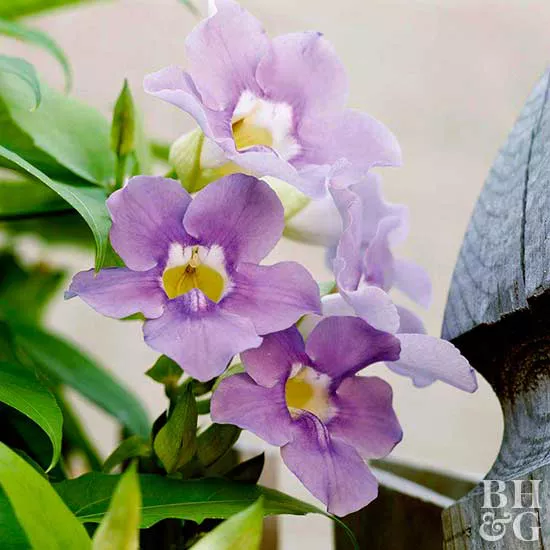
Sky vine is a tropical vine with lush, big, ruffled purple or lavender-blue flowers all summer long. The color harmonizes with just about everything, and the leaves create a nice backdrop for the bloom. It scrambles up trellises and trails out of pots during the heat of summer. In tropical environments, sky vine is an evergreen woody perennial blooming from early summer until late winter. In cool climates, it is grown as an annual, only climbing about 12 feet and blooming for several weeks from midsummer until early fall.

Sky Vine Overview

Genus Name Thunbergia grandiflora
Common Name Sky Vine
Additional Common Names Blue Trumpet Vine, Sky Flower
Plant Type Annual, Perennial, Vine
Light Sun
Height 10 to 20 feet
Width 2 to 3 feet
Flower Color Purple
Season Features Fall Bloom, Summer Bloom
Special Features Good for Containers, Low Maintenance
Zones 10, 11
Propagation Seed

Where to Plant Sky Vine

Plant sky vine in full sun or if you are located in Zone 10 or 11 in a location that receives shade in the afternoon. The vine needs well-draining soil and prefers a neutral pH.

Sky vine needs vertical space. It will quickly scramble up a trellis, pergola, or fence. In temperate regions where it grows as an annual, it typically climbs 10 to 12 feet. In tropical regions, expect it to climb 20 feet or more and produce woody stems. You can also plant sky vine in a hanging basket or atop a wall to create a curtain of color.

In a frost-free, tropical climate, sky vine is potentially invasive. It has been identified as an invasive species in Hawaii and as a high-invasion risk in parts of Florida.

How and When to Plant Sky Vine

Nursery-grown plants are not widely available, but you can start sky vine from seed.

To get a head start on the growing season, start the seeds indoors 6 to 8 weeks before the last spring frost. Fill pots with soilless potting mix and plant 2 to 3 seeds in each pot, ¼ inch deep. Germination at 75 degrees F takes 14 to 21 days. After seedlings emerge and grow 2 to 3 inches tall, thin to the strongest seedling by snipping the stem off the weak seedlings at soil level. After the last spring frost, transplant sky vine into the garden or a container 12 inches apart.

Sky Vine Care Tips

Sky vine is easy to care for; the biggest challenge is to keep its tendency to self-seed under control.

Light

In northern climates, sky vine needs a location in full sun. In southern locations, it is best planted in a spot that gets partial shade in the afternoon.

Soil and Water

Sky vine needs well-draining soil with a pH between 6.8 and 7.7 that is rich in organic matter.

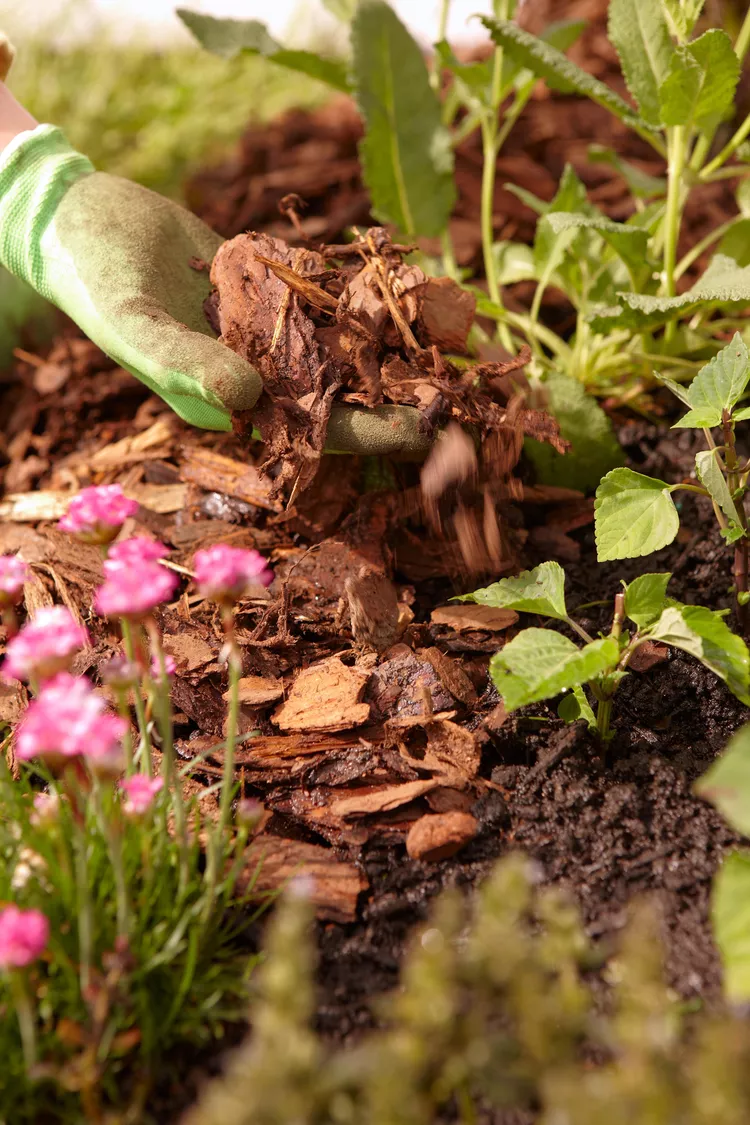
The plant needs to be kept evenly moist at all times so water accordingly. Mulching around the base helps to retain soil moisture.

Temperature and Humidity

Sky vine is a tropical plant that is sensitive to frost and won’t survive the winter below Zone 10, that’s why it is grown as an annual in most places.

It does not have any issues with humidity but does not do well in dry heat.

Fertilizer

In the spring, fertilize the vine with a complete slow-release granular fertilizer, following product label instructions.

Pruning

Deadheading is recommended to prevent the vine from self-seeding. When grown as an annual, it does not need any additional pruning. In climates where sky vine overwinters, cut the vines back to the desired length but leave about 12 inches above soil level. Also remove any crossing vines.

Potting and Repotting Sky Vine

Sky vine makes a good container plant. Choose a pot with large drainage holes and fill it with well-draining potting mix and a few handfuls of compost. Keep in mind that potted plants require at least daily watering in hot summer weather. Also fertilize a potted sky vine about once a month during the growing season, as frequent watering washes out the nutrients.

Pests and Problems

Sky vine attracts mealybugs and scale insects. The only other common problem with the plant is its potential invasiveness.

Types of Sky Vine

Black-Eyed Susan Vine

Black-eyed Susan vine (Thunbergia alata), a close relative of sky vine, is the most common Thunbergia species. It displays bright orange-yellow flowers with the signature black-eyed center. Zones 10-11

Indian Clock Vine

Also called brick and butter vine or lady’s slipper vine, Thunbergia mysorensis is a rare vine in the Thunbergia genus. It has long, evergreen leaves and huge maroon-yellow flowers. Zones 10-11

Bush Clockvine

Thunbergia erecta, also called king’s mantle, is a woody shrub-type Thunbergia that grows 4 to 6 feet tall and wide. The species has purple flowers but there is also a cultivar with white flowers, Thunbergia erecta ‘Alba’. Zone 10-11

Frequently Asked Questions

  • Can I grow sky vine indoors?

    Except for starting it from seed indoors to get a head start on the growing season, sky vine is not suitable for indoor growing conditions. It is a large vine that needs plenty of sunlight to grow and flower.

  • Is sky vine toxic for pets?

    There are no reports about sky vine being toxic to pets.

Related Article

How to Plant and Grow Bermudagrass for a Lush Lawn
34.9K
2.4K
806

How to Plant and Grow Bermudagrass for a Lush Lawn

A turfgrass for warm climates, Bermudagrass forms a dense lawn that stands up to traffic and heat. Here's how to care for a Bermudagrass lawn.
Can You Mow Wet Grass? The Answer, Plus 7 Mowing Tips
10.7K
214
38

Can You Mow Wet Grass? The Answer, Plus 7 Mowing Tips

Wet grass, whether it’s from morning dew or relentless rain, makes lawn care challenging. Keep your turf in check with our mowing tips.
The Best Time to Add Fertilizer to Your Lawn Before Winter
40.1K
3.6K
721

The Best Time to Add Fertilizer to Your Lawn Before Winter

Cultivate a happy, healthy lawn all year long with a nutrient boost before freezing weather occurs.
5 Simple Steps for Preparing Gardens for Winter Weather
20.1K
201
86

5 Simple Steps for Preparing Gardens for Winter Weather

Follow our five-step guide to preparing gardens for winter weather, including protecting perennials, trees, and shrubs from harsh conditions.
21 Plants for Sandy Soil That Thrive in Dry Conditions
23.4K
1.2K
408

21 Plants for Sandy Soil That Thrive in Dry Conditions

Discover 21 plants that flourish in sandy soil. From vibrant flowers to hardy shrubs, find the best options for your garden.
What Every Homeowner Needs to Know About Dethatching Lawns
31.5K
944
169

What Every Homeowner Needs to Know About Dethatching Lawns

Restore your grass so it is lush and green by learning the why, when, and how of dethatching a lawn. These lawn dethatching tips will make you an expert.
How to Plant and Grow Cardinal Climber
26K
780
343

How to Plant and Grow Cardinal Climber

Cardinal climber is a fast-growing annual vine with vibrant red flowers that bloom all summer. Learn how to grow it here.
How to Plant and Grow Serviceberry
32.7K
981
176

How to Plant and Grow Serviceberry

Discover essential tips for growing serviceberry, a flowering tree with edible berries that is one of spring's first sources of nectar.
11 of the Best Flowering Vines for Shade
24.9K
1.7K
696

11 of the Best Flowering Vines for Shade

Brighten up your shady garden with these vining plants that have beautiful flowers.
5 Best Raised Bed Garden Layouts—and How to Choose the Right One for Your Space
33.7K
1.7K
370

5 Best Raised Bed Garden Layouts—and How to Choose the Right One for Your Space

Designers share their favorite raised bed garden layouts for all kinds of spaces and gardeners.
5 Smart Solutions for Dealing with Poor Drainage in Your Yard
47.7K
2.4K
620

5 Smart Solutions for Dealing with Poor Drainage in Your Yard

Find out how to improve drainage in soil so that you can grow your garden plants. Or, if you can't, learn how to fix the soil that doesn't drain so that you can still enjoy colorful flowers.
How to Plant a Water Lily in a Container to Brighten Up Your Pond
18.6K
556
100

How to Plant a Water Lily in a Container to Brighten Up Your Pond

This aquatic plant looks beautiful in water gardens large and small. Plant waterlilies in a container by following these easy step-by-step instructions.
How to Plant and Grow Haworthia
38.8K
3.1K
901

How to Plant and Grow Haworthia

Discover how to care for members of the genus Haworthia as houseplants or outdoors. Learn about proper lighting, fertilizing, and heat as well as how to propagate these fascinating little succulents.
How to Grow and Care for Indoor Cyclamen
18.7K
749
104

How to Grow and Care for Indoor Cyclamen

Florist’s cyclamen have a reputation for being tricky to grow but this guide will help you keep these plants blooming in winter and then rebloom year after year indoors.
How to Get Orchids to Rebloom with These 5 Must-Know Tips
32.9K
1.6K
164

How to Get Orchids to Rebloom with These 5 Must-Know Tips

Find out what to do with moth orchids after they bloom and get them to rebloom year after year.
How to Propagate a Rubber Plant Successfully
28.1K
1.7K
725

How to Propagate a Rubber Plant Successfully

Learn how to propagate rubber plants through cuttings and air layering with this step-by-step guide.
How to Arrange Plants In Your Living Room to Add Natural Style
14.9K
148
28

How to Arrange Plants In Your Living Room to Add Natural Style

Here are tips for how to arrange plants in your living room and how to care for them to bring new life to your home's decor.
Top Plants for Florida Landscaping and Gardens
49.5K
494
207

Top Plants for Florida Landscaping and Gardens

The tropical environment means top plants for Florida will thrive and grow, adding lush, green bulbs, trees and perennials to landscapes and gardens.
Is Electroculture Gardening the Next Great Thing in Plant Care?
34.6K
3.1K
778

Is Electroculture Gardening the Next Great Thing in Plant Care?

Electroculture gardening harnesses atmospheric energy to naturally and organically promote plant growth. Learn what electroculture gardening is, plus how you could try it at home.
Can You Plant Garlic in the Spring? With These Must-Know Tips, You Can
37.1K
3.3K
600

Can You Plant Garlic in the Spring? With These Must-Know Tips, You Can

Even if you missed the fall planting window, here's how you can plant garlic in spring and still get tasty greens and bulbs to eat.